

China to Poland Rail Freight: Transit Time, Cost Anatomy
Unclear all-in pricing frequently undermines sourcing decisions when evaluating logistics from China to Poland against incomplete rate cards. Buyers researching rail freight china to poland transit time cost need auditable quotes and compliance checkpoints. Hidden accessorials, duty assumptions, and mismatched service scopes quickly inflate the real landed cost. Collaborating with a dedicated partner like Prime Freight Net brings line-item clarity before you award the move. Explore service-boundary checks, documentation gates, and cost questions in this 2026 operational guide.

Key Takeaways
Lock documents and Incoterms early for rail freight china to poland transit time cost.
Confirm handoff SLAs and exception paths before cutoffs.
Validate live rates — published ranges drift with capacity.
What Shipping Methods Work from China to Poland? (Air vs Ocean vs Rail vs Express)
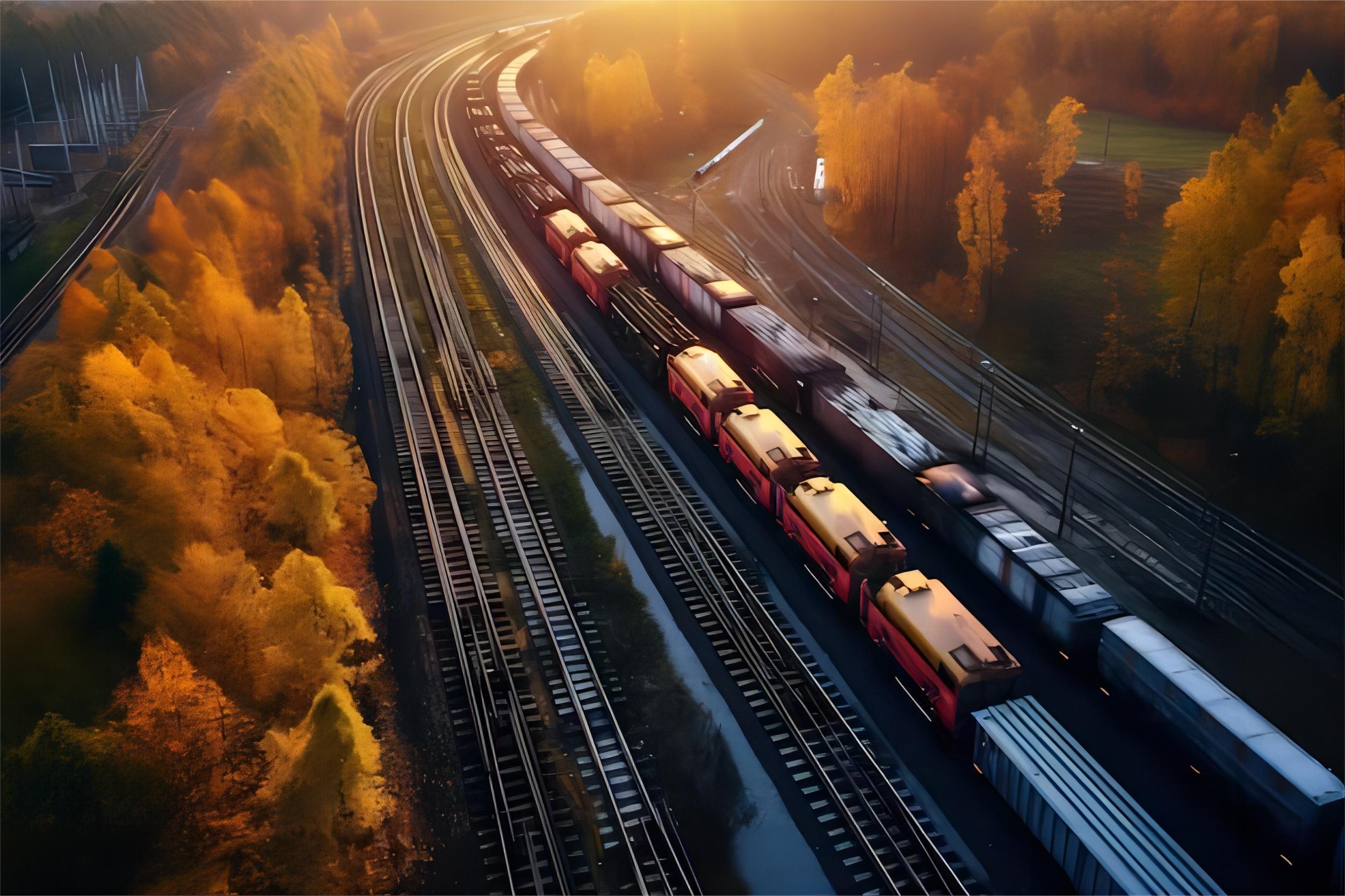
Unclear all-in pricing frequently undermines sourcing decisions when evaluating logistics from China to Poland against incomplete rate cards, especially when balancing multi-modal access. Utilizing dedicated Rail Freight solutions bridges the gap between expensive air charters and lengthy ocean transits, offering stable overland corridors via the Eurasian land bridge. Hidden accessorials, duty assumptions, and mismatched service scopes quickly inflate the real landed cost if you fail to map the exact transit corridors from eastern hubs like Chengdu or Xi’an to Malaszewicze terminal. Separate contractual freight from event-driven customs costs for auditable invoices.
Collaborating with a dedicated partner like Prime Freight Net brings line-item clarity before you award the move, ensuring your block train or container load plan avoids terminal congestion points. For urgent electronic components or samples that cannot wait for iron highways, deploying an Express Service guarantees priority border clearance and expedited van handoffs across EU highways. Conversely, bulk industrial machinery and high-volume consumer goods often default to ocean or standard container options, while time-sensitive high-value items rely on Air Freight connectors into Warsaw Chopin Airport. Air makes sense for samples and stock-out recovery; ocean remains the default when calendar days beat unit cost for repeat replenishment.
Explore service-boundary checks, documentation gates, and cost questions in this 2026 operational guide, focusing heavily on how terminal handling charges vary by destination ramp. Forwarder licensing cues such as FIATA and Authorized Economic Operator status ensure your chosen provider can manage China Customs Export Declaration protocols seamlessly alongside National Customs Authority requirements. Always verify whether your quote includes standard electronic entry filing fees at origin and destination to prevent unexpected customs clearance delays upon arrival at the Polish border. Confirm who owns terminal release status once the local authority clears the entry.
Common mistake: Providing inaccurate CBM dimensions, leading to unexpected volumetric dead-space surcharges.
Risk alert: Missing documentation or inaccurate shipping marks at CFS intake triggers mandatory export holds.
What Drives Landed Cost & Surcharges from China to Poland? (PSS, GRI, Free Time)
Once transport modes are shortlisted, navigating the hidden financial mechanics of overland trade requires strict analysis of peak season surcharges, general rate increases, and terminal access fees. For rail shipments operating along the Silk Road economic belt, carriers frequently apply Peak Season Surcharges during Golden Week or pre-Christmas rushes, directly impacting the baseline quote. Understanding whether your quotation relies on an all-in structure or separates origin terminal handling, document fees, and security surcharges prevents unexpected budget overruns before containers even depart origin assembly yards. Confirm feeder connections and destination free-time clocks in the same award brief.
Container detention and rail terminal dwell liabilities represent another major cost trap if destination clearance procedures stall at the Polish border or terminal ramps. Free time allowances at European rail terminals are typically much tighter than maritime ports, often restricting storage grace periods to just two or three days before hefty daily penalties accrue. Factoring in China Customs Export Declaration compliance fees alongside destination National Customs Authority handling charges ensures your financial models account for every administrative touchpoint from factory floor to final warehouse delivery. Require line-item quotes that split base ocean from THC, delivery, and exam disbursements.
Two illustrative cost scenarios highlight this dynamic: a shipper utilizing an itemized rate structure might face sudden bill shock when unlisted terminal storage and customs intervention fees are added at destination. Conversely, an all-in rate structure locks in predictable baseline expenditures but requires careful verification of what accessorials—such as heavy lift fees or special equipment surcharges—are explicitly excluded from the fixed quote. Always demand transparent rate sheets that isolate basic transport from local handling, regulatory compliance, and potential congestion add-ons. Write cargo-ready dates beside VGM and document cut-offs before the booking sheet is signed.
Common mistake: Assuming non-stackable pallets bill the same as stackable freight at CFS.
Risk alert: Late supplier CRDs past CFS receiving force split shipments and storage fees.
What Is the Volume Tipping Point (LCL vs FCL) on China to Poland?

With the cost band locked, determining the precise volume threshold where less-than-containerload operations transition into full container loads is vital for cost-effective inventory replenishment. Shippers moving moderate volumes often find that grouping smaller consignments through consolidation hubs minimizes immediate capital outlay, yet multi-stop handling increases cargo vulnerability and administrative overhead. Once cargo volume consistently exceeds fifteen cubic meters or reaches critical weight plateaus, booking a dedicated twenty-foot or forty-foot container delivers superior unit economics and eliminates shared terminal deconsolidation delays. Compare chargeable weight on air against ocean all-in per CBM before locking the mode so finance sees the true landed delta.
Evaluating total landed expenses requires looking beyond simple ocean or rail freight rate per cubic meter to include destination CFS deconsolidation fees, warehouse handling charges, and local delivery distribution tolls. When utilizing rail corridors specifically, full container configurations bypass complex intermediary sorting sheds, moving directly from China marshalling yards to European terminals under single-window transit documents. This direct routing reduces cargo touchpoints, lowers damage risks, and accelerates overall supply chain velocity compared to fragmented groupage alternatives. Publish named owners for customs release, equipment return, and re-delivery milestones.
Partnering with licensed forwarders possessing robust <abbr title=”Authorized Economic Operator”>AEO</abbr> certification ensures your volume tier decisions are supported by compliant customs brokerage and streamlined <abbr title=”Import Control System 2″>ICS2</abbr> filing capabilities. Whether routing general commercial merchandise or specialized industrial inputs, matching your exact CBM and gross weight profile to the optimal equipment type prevents wasted dimensional space and optimizes per-unit logistics expenditures across the entire China-to-Poland trade lane. Use FCL when CBM and weight fill a 40HQ efficiently; keep LCL only when cube stays well below a shared consol break-even.
| Equipment Type | Internal Volume (CBM) | Max Payload (kg / lbs) | Optimal Commodity Fit |
|---|---|---|---|
| 20ft Standard (20GP) | 28–30 CBM (26 usable) | 21,800 kg / 48,000 lbs | Dense machinery / metals on block-train strings |
| 40ft Standard (40GP) | 58–60 CBM (54 usable) | 26,500 kg / 58,400 lbs | Palletized general cargo on gauge-change lanes |
| 40ft High Cube (40HQ) | 68–76 CBM (68 usable) | 26,500 kg / 58,400 lbs | Light bulky SKUs (furniture, textiles) on China–Europe rail |
| 45ft High Cube (45HQ) | 85–86 CBM (78 usable) | 27,500 kg / 60,600 lbs | High-cube retail where corridor equipment accepts 45ft |
Common mistake: Skipping ISPM-15 / mark checks before CFS intake and paying restrap fees later.
Risk alert: Destination CFS free dwell is often only 3–5 days—unclaimed LCL accrues fast.
How Long Does It Take to Ship from China to Poland? (Port-to-Port & Door-to-Door)
Building directly upon the volume decision points established in previous routing choices, analyzing transit timelines requires separating terminal-to-terminal railway milestones from final truck drayage into distribution centers. Rail freight moving from major Chinese consolidation hubs like Xi’an or Chengdu typically reaches the Polish border terminal of Malaszewicze in 12 to 16 days. However, total transit windows expand once customs clearance, container de-stuffing, and final mile trucking to destinations across Warsaw or Poznan are fully integrated into the schedule. Keep contingency routing on the same ops brief as the primary sailing award.
Door-to-door execution requires accounting for congestion at the border gauge-change interface, where containers are transloaded from Chinese to European rail bogies. This transfer introduces a variable buffer of two to four days during peak shipping periods, particularly ahead of Golden Week or European winter holidays. Shippers must track both the mainline rail transit duration and the subsequent regional road transit slot to establish a reliable inventory buffer for downstream manufacturing schedules. Map inland cut-offs backward from the booked gateway so cargo-ready dates stay realistic.
Accurate operational planning relies on distinguishing strict port-to-port railway tracking from comprehensive multi-modal schedules that include export factory gate pickup and destination customs release. Shippers utilizing Door to Door solutions benefit from end-to-end milestone visibility, mitigating unexpected terminal dwell times at the EU border. Establishing realistic service-level agreements prevents costly supply chain disruptions when managing time-sensitive industrial components. Protect the ETA with an alternate block-train or flight when blankings or cancellations threaten the delivery window. Transshipment hubs need explicit reroute owners when the first vessel slips; otherwise detention clocks start before cargo reaches the final POD.
| Leg | Ocean Band | Air Band | Planning Note |
|---|---|---|---|
| export factory gate → POL/CY | 2–7 days | 1–3 days | Cargo-ready vs booking cut-off |
| Mainhaul | Lane-typical sailing/flight | Direct or hub | canceled block-train departures / peak buffers |
| POD/airport → release | 1–5 days | 0.5–2 days | Entry data & exam risk |
| Last-mile appointment | 1–4 days | Same-day–2 days | Dock / FC window locks |
Common mistake: Confirming carrier cut-offs only after cargo is ready erodes peak-season options.
Risk alert: Transit milestone variance needs an explicit operational buffer before peak cutoffs.
Which Poland Customs, Duties, and Import VAT Rules Affect Landed Cost?
With transit timelines established, managing regulatory compliance at the Polish border dictates total landed cost stability. Importers must execute a precise China Customs Export Declaration before departure, followed by compliant electronic entry filings through the Customs Brokerage framework upon arrival in the European Union. Failure to match commercial invoice line items with accurate HS codes routinely triggers physical inspections by the National Customs Authority, adding rail terminal dwell fees and delaying delivery. Pre-alert destination free time and confirm empty-return windows before gate-out. ISPM-15 marks, phytosanitary certificates, and AQL sampling notes belong in the same document pack the broker lodges at first entry.
Statutory tax obligations require calculating the exact ad valorem customs duty based on the commodity classification alongside standard Import VAT. While customs duties are determined by the combined CIF value at the EU entry point, Import VAT is assessed on the CIF value plus the duty amount, creating a compounding cost effect. Companies registered for VAT in Poland can often utilize postponed accounting mechanisms to manage cash flow without immediate cash outflows at the border. Validate HS codes and preferential proofs before the commercial invoice pack is sealed. Name the importer-of-record and tax ID on every filing so local single-window submissions do not bounce on party mismatches.
Navigating these regulatory nuances demands proactive coordination with licensed brokers holding valid AEO credentials to fast-track clearance through border checkpoints. Utilizing professional oversight ensures all safety and security filings, such as ENS declarations, are submitted within statutory deadlines to avoid severe penalties. Factoring these fiscal requirements into initial sourcing calculations eliminates unpleasant invoice surprises after cargo has already departed origin. Pre-clear packing-list piece counts against the commercial invoice before CFS gate-in. Hold an alternate feeder path when mainhaul blankings threaten the published ETA. Name the broker SLA owner who escalates holds before storage charges start accruing.
| Cost Component | Typical Assessment Base | Who Usually Pays | Planning Note |
|---|---|---|---|
| CIF / customs value | Goods value + freight + insurance (as declared) | Importer of record | Wrong valuation drives duty and Import VAT miscalculation |
| Import duty / tariff | % of customs value by HS chapter | Importer / DDP seller (by Incoterms) | Confirm HS binding before award |
| Import VAT | Duty-paid value (or local statutory base) | Importer / fiscal representative | Confirm statutory Import VAT filing basis before entry |
| Customs broker / clearance fee | Per entry or per shipment band | Importer / nominating party | Separates from freight; exams add extras |
| Exam / storage / disbursement | Event-driven (exam, demurrage, advance) | Importer / broker client account | Often outside base ocean/truck quote |
Common mistake: Waiting for rail terminal gate-in before locking inland haulage creates free-time exposure.
Risk alert: canceled block-train departures and roll risk require a documented contingency booking path.
How Should Buyers Choose a Reliable Freight Forwarder for China to Poland?
Having evaluated customs and duty impacts, selecting an experienced logistics partner remains the final operational safeguard for successful corridor execution. Qualified forwarders must demonstrate active FIATA memberships and robust local licensing across both origin and destination jurisdictions to handle complex cross-border documentation. Evaluating providers based solely on base freight quotes often exposes buyers to hidden terminal handling charges, unjustified insurance markups, and poor communication during border bottlenecks. Reconcile product descriptions against official tariff schedules so valuation stays accurate before the entry is lodged. Keep document owners, free-time clocks, and release SLAs on one shared lane brief before the next tender cycle.
Operational reliability is further measured by a forwarder’s capability to offer integrated Sea Freight alternatives when railway capacity constraints or seasonal rate spikes disrupt standard schedules. A dependable partner provides transparent, itemized billing structures that clearly segregate origin fees, mainline transport costs, and destination accessorials. This transparency allows procurement teams to accurately audit freight invoices against agreed contract rates without unexpected administrative friction. Publish a rollover contingency path for blanked block-train departures and feeder congestion so peak capacity awards stay auditable. Treat each handoff as a measurable checkpoint with a named owner, not a generic reminder to confirm cut-offs again.
Securing long-term service stability requires establishing clear standard operating procedures regarding exception management, cargo damage claims, and rail terminal dwell liability limits before awarding volume. Conducting routine audits of your provider’s local agent network in both China and Poland ensures consistent oversight throughout every phase of the transport cycle. Ultimately, investing in a competent, certified logistics partner transforms volatile trade lanes into predictable supply chain channels. Defend destination free time with pre-alerts, broker SLAs, and delivery appointment locks before rail terminal dwell clocks start. Name who escalates when milestones slip so origin and destination teams do not wait on unanswered email threads.
Common mistake: Treating guide transit days as hard SLAs without buffer invites demurrage.
Risk alert: Port congestion can invalidate published ETAs — track actual vessel berth windows.
Decision Framework
By volume: Low CBM favors LCL or groupage into an EU hub; full wagon / 40HQ lots justify direct China–EU rail or ocean with scheduled last-mile trucking.
By speed: Choose express block trains via alternative corridors to bypass border congestion.
By cargo profile: Confirm EORI, ENS/ICS2, and any product conformity marks before hub discharge.
Real-World Corridor Case Studies
An electronics shipper booked a perceived cheap rate from Xi’an to Malaszewicze, only to face heavy terminal handling charges and unexpected storage fees at the Polish border. Switching to an all-in transparent pricing model eliminated the surprise bill shock and secured stable weekly allocations.
During the Golden Week rush, tight capacity on the China-Europe rail corridor triggered sudden General Rate Increases ranging from $800 to $1,500 per FEU. Forwarders who locked in fixed quarterly contracts mitigated severe cost spikes, whereas spot market buyers absorbed volatile USD rate bands.
Execution Checklist for China to Poland
Decide China to Poland on mode fit, landed-cost bands, and dest compliance — not a single sailing quote.
Lock documents, free-time clocks, and forwarder credentials before the first booking. Keep this checklist handy when advancing a rail freight china to poland transit time cost.
Process and Checkpoints
Cargo Profile Lock
Confirm CBM/kg, packing type, and Incoterms before comparing modes.
Mode Shortlist
Map air / ocean FCL / LCL / rail / express against urgency and cube.
Cost Band Build
Separate base freight, origin/destination fees, duties/Import VAT, and accessorial risk.
Volume Gate
Lock LCL vs FCL vs air tipping point against the cost band before transit promises.
Transit Calendar
Publish port-to-port and door-to-door bands with peak buffers.
Dest Compliance & Provider Award
Align entry docs and Import VAT path, then award forwarder with a written trial SOP.
Confirm the right route for your shipment
Optimize Your China-Poland Rail Freight Get transparent rate calculations and reliable transit times with Prime Freight Net. Get a Quote
Request a route reviewFrequently Asked Questions
Which export documentation must align before origin customs release and port gate-in?
Commercial invoice, packing list, HS codes, and Incoterms should match the physical load before the origin export declaration and port gate-in. Confirm CY or CFS cut-offs before cargo is tendered on this corridor.
What China customs export inspection steps apply before ocean containers gate in?
Exporters should align commercial invoice, HS codes, and packing list with physical cargo before customs release; mismatches trigger holds and re-inspection fees. Name the broker owner for entry data before free-time clocks start.
How do destination demurrage and detention charges accrue on 40HQ containers?
Demurrage applies while the loaded box stays at the port terminal past free time; detention accrues after gate-out until empty return. Reconcile packing-list piece counts with the commercial invoice pack early.
When should shippers add mode buffers instead of treating guide transit days as SLAs?
Add contingency sailings or air-bridge options when blankings, exams, or chassis shortages historically erase free time on the awarded string. Pre-alert destination release so terminal dwell does not erode free time.
How does HS code misclassification change the all-in duty line on imports?
Wrong HS chapters can raise duty rates materially and trigger amendments, exams, or bond issues. Lock empty-return windows before detention accrues after gate-out. Validate HS codes and preferential proofs inside the invoice pack before tender.
What triggers a customs exam and who pays related fees?
Random or risk-based selection; importers typically pay exam, demurrage, and broker coordination fees. Validate HS codes and preferential proofs inside the invoice pack before tender. Confirm CY or CFS cut-offs before cargo is tendered on this corridor.
Rates, transit times, and accessorials change with capacity, fuel, and peak-season surcharges. Treat figures as planning ranges — confirm a live quote before booking.
This guide is operational education, not legal, customs, or insurance advice. Validate filings and coverage with licensed partners for your shipment.