

How to ship from china to amazon fba: A Complete 2026 Logistics Guide
Navigating the complexities of international trade requires a precise strategy, especially when you are learning how to ship from china to amazon fba. For many e-commerce sellers, the challenge lies in balancing transit times with the stringent requirements of Amazon fulfillment centers, often complicated by port congestion and unexpected regulatory hurdles. By leveraging the expertise of Top China Freight (Homepage: https://topchinafreight.net/), businesses can mitigate these risks and ensure their inventory reaches its destination without avoidable delays or hidden surcharges. Our team provides professional guidance to streamline your supply chain, ensuring that your goods remain compliant and competitive in a fast-paced market. Published by Top China Freight (Homepage: https://topchinafreight.net/) logistics research team.
What Is how to ship from china to amazon fba and Who Is It For?
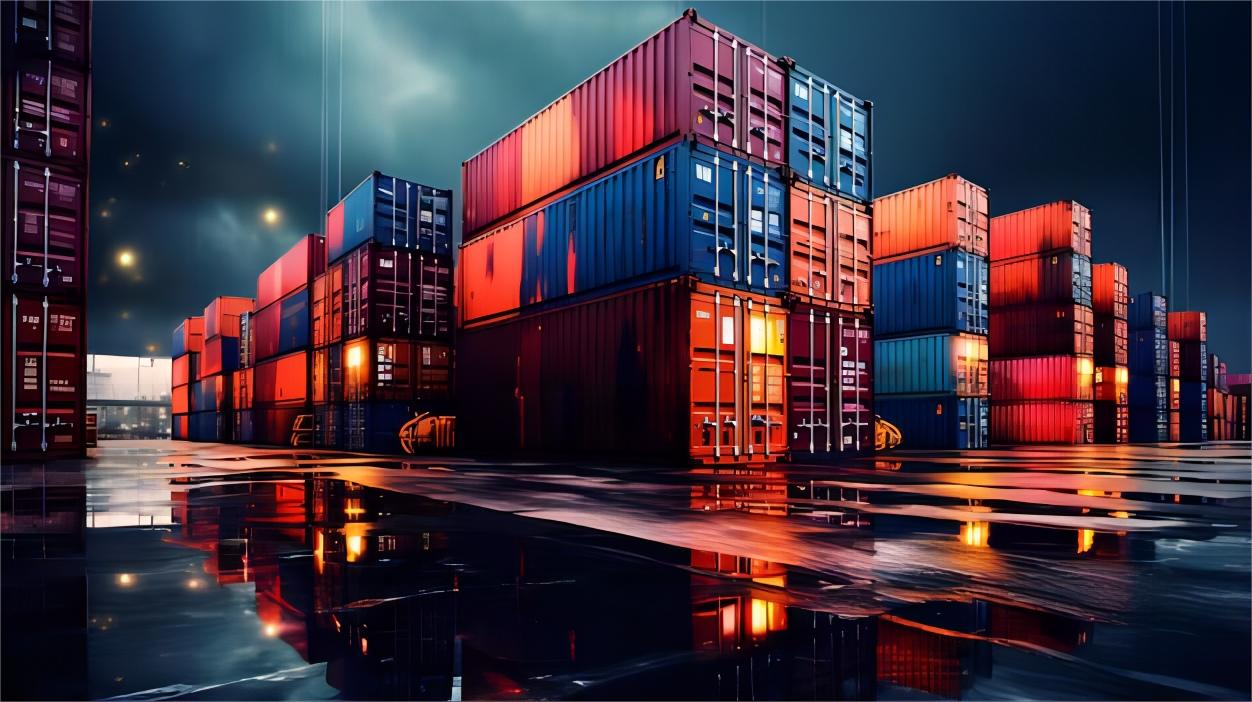
Shipping from China to Amazon FBA is the specialized process of moving inventory from Chinese manufacturing hubs directly to Amazon-designated fulfillment centers. This process is primarily designed for private label sellers, retail arbitrageurs, and wholesale businesses utilizing the Amazon platform to reach customers in various global markets. Because Amazon maintains strict guidelines regarding packaging, labeling, and delivery appointments, standard commercial shipping methods often prove insufficient for the unique demands of FBA warehousing.
Successful execution of this logistics loop requires an understanding of how to bridge the gap between Chinese origin points and the final destination. Whether you are a startup or an established brand, the ability to manage your inventory flow efficiently is the difference between consistent stock availability and costly out-of-stock events. Sellers must navigate complex Incoterms, such as DDP or DAP, to ensure that their goods are delivered in a state ready for immediate processing by Amazon staff.
Professional freight forwarders play a critical role here, acting as the bridge between international carriers and domestic fulfillment logistics. Utilizing Amazon FBA services allows sellers to focus on product development and marketing, leaving the intricate details of carrier selection, cargo preparation, and document filing to logistics specialists. By outsourcing these technical requirements, sellers can scale their operations without being bogged down by the day-to-day fluctuations of international freight transit.
Transport Mode Selection and Route Gateway Logic for how to ship from china to amazon fba
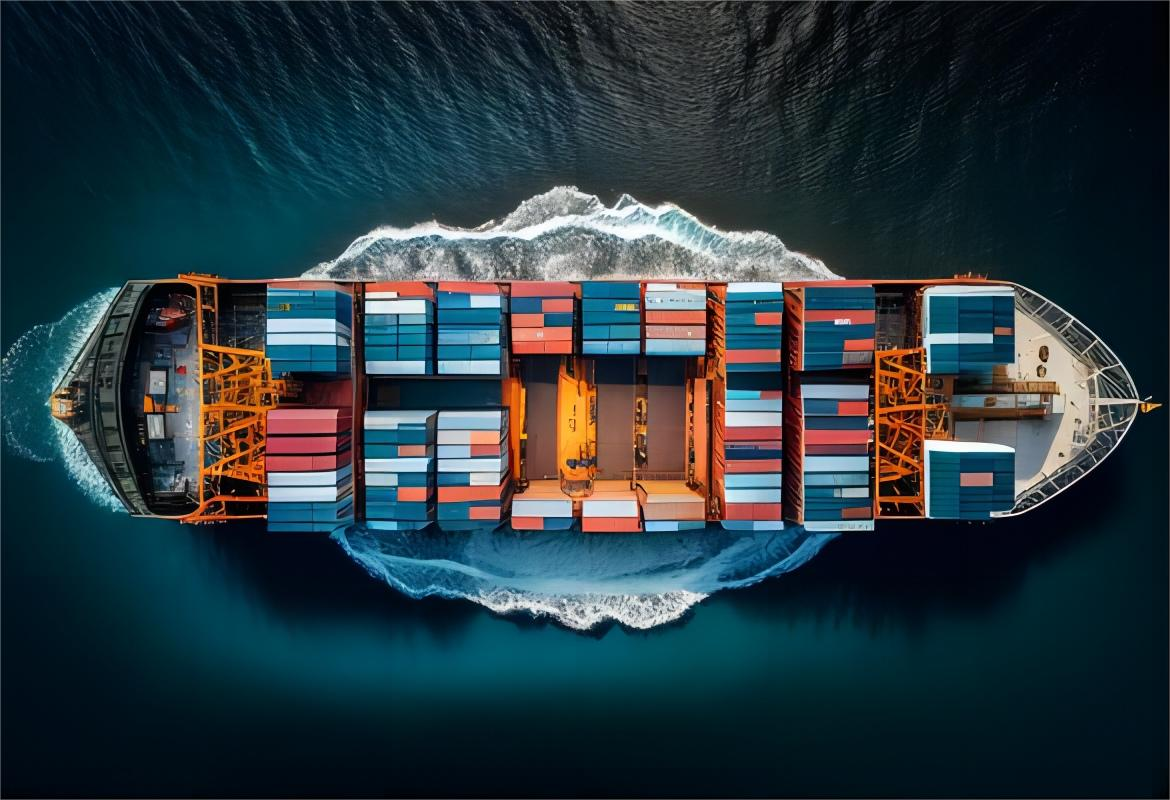
Choosing the right transport mode is the most significant decision a seller makes when planning their supply chain. For high-value or time-sensitive inventory, air transport is often necessary despite the higher costs. Conversely, for bulk inventory where margins are tighter, ocean freight remains the industry standard. Each mode requires specific gateway logic to minimize handling and maximize cost efficiency.
When planning your shipment, consider the distance between your Chinese supplier and the nearest major export port, such as Ningbo or Shenzhen. For North American destinations, selecting the correct port of entry is essential to avoid inland transit delays once the container arrives. A well-planned route takes into account not only the ocean leg but also the subsequent drayage to the Amazon facility.
Integrating services like Sea Freight or Air Freight requires a deep understanding of carrier schedules and port efficiency. By analyzing your volume and budget, you can determine whether a direct route or a transshipment strategy is more beneficial for your business. Aligning your mode selection with your inventory turnover rate is the hallmark of a mature e-commerce logistics strategy.
Shipping Mode Comparison
| Shipping Mode | Cost Benchmark | Est. Transit Time | Best Suited For |
|---|---|---|---|
| Air Freight | Premium | 5-10 Days | High-value, urgent stock |
| Ocean LCL | Moderate | 30-45 Days | Small to mid-size inventory |
| Ocean FCL | Economical | 25-40 Days | Large, high-volume stock |
FCL vs LCL and Cargo Configuration Breakdown
The decision between Full Container Load (FCL) and Less than Container Load (LCL) depends heavily on your shipment volume and frequency. FCL offers the security of a dedicated container, reducing the risk of cargo damage during transloading, and often simplifies the check-in process at Amazon fulfillment centers. This is generally the preferred choice for established sellers with consistent, high-volume inventory requirements.
LCL is the more flexible option for growing businesses that do not yet have the volume to fill a 20ft or 40ft container. While it is more cost-effective for smaller shipments, it involves more handling as cargo from multiple shippers is consolidated. Proper packaging and palletization are crucial for LCL shipments, as they must withstand the rigors of consolidation and deconsolidation at bonded warehouses before final delivery.
Understanding your cargo configuration also means considering the specific dimensions and weight limits imposed by Amazon. Utilizing Door to Door services can simplify this by ensuring that your goods are palletized and labeled according to Amazon’s strict standards before they even leave the origin warehouse, preventing rejection at the receiving dock.
Transit-Time Architecture and Port-to-Port Delivery Matrix
Developing a transit-time architecture requires accounting for variables beyond the vessel’s travel duration. This includes port congestion, customs inspection times, and the availability of drayage capacity at the destination. Sellers who plan for these variables are better equipped to handle the realities of global supply chains in 2026.
For shipments headed to North America, the transit-time matrix often hinges on the efficiency of major hubs like Los Angeles or Long Beach. Factors such as vessel speed, intermediate stops, and the efficiency of the terminal operator all contribute to the final arrival date at the Amazon destination.
By mapping out your delivery timeline, you can optimize your inventory replenishment cycles. Utilizing professional Express Service options for smaller, restock-focused shipments can help bridge the gap if ocean freight timelines extend beyond your initial projections.
Estimated Transit Time Matrix
| Route | Mode | Transit Time | Reliability |
|---|---|---|---|
| China to US West Coast | Ocean | 18-25 Days | High |
| China to US East Coast | Ocean | 30-40 Days | Moderate |
| China to US – All | Air | 5-8 Days | Very High |
Landed Cost Anatomy and Destination Port Surcharges
Calculating the total landed cost is vital for maintaining healthy profit margins. This includes not only the freight rate but also origin handling charges, destination port fees, customs duties, and potential surcharges like Peak Season Surcharges (PSS) or General Rate Increases (GRI). Miscalculating these variables often leads to unexpected erosion of profitability.
Destination port surcharges, such as demurrage and detention, can accumulate rapidly if cargo remains at the terminal longer than the allotted free time. These costs are often exacerbated by delays in document processing or scheduling issues at the Amazon warehouse. Working with an experienced forwarder helps identify these potential pitfalls early in the shipment lifecycle.
Transparency in cost reporting allows sellers to make informed decisions about their pricing strategies. By breaking down your costs into fixed and variable components, you gain a clearer picture of your true cost of goods sold (COGS), enabling more effective financial planning for your Amazon FBA business.
Customs Clearance, Regulatory Compliance, and Required Documents
Customs compliance is a non-negotiable aspect of international trade. Failure to provide accurate documentation, such as the Commercial Invoice, Packing List, and Bill of Lading, can lead to significant delays, fines, or even the seizure of goods. Ensuring that your HS codes are correctly classified is the first step in a smooth customs process.
For importers into the United States, filing the Importer Security Filing (ISF) correctly and on time is mandatory for ocean shipments. Engaging a professional Customs Brokerage service ensures that your entries are filed accurately, minimizing the risk of audits and inspections that could stall your inventory for weeks.
Documentation accuracy is the backbone of efficient customs clearance. Maintaining a digital repository of all shipping documents ensures that you are prepared for any regulatory inquiry. This level of organization not only aids in compliance but also simplifies the reconciliation of costs and logistics data.
Essential Shipping Documents Checklist
| Document Name | Purpose | Required Stage | Key Responsibility |
|---|---|---|---|
| Commercial Invoice | Proof of Value | Customs Entry | Shipper |
| Packing List | Content Detail | Import/Export | Shipper |
| Bill of Lading | Title of Goods | Transit/Release | Carrier |
Seasonality, Carrier GRI, and Peak Disruption Management
The logistics industry is highly susceptible to seasonal fluctuations, particularly during the months leading up to major shopping events like Prime Day or the holiday season. During these times, vessel space becomes scarce, and carriers often implement General Rate Increases (GRI) to manage demand. Planning your shipments around these peak cycles is essential for cost management.
Disruption management involves having a contingency plan for when the unexpected occurs, whether it be a port strike, extreme weather, or sudden carrier capacity reduction. By diversifying your shipping routes and maintaining buffer stock, you protect your business against the volatility of the global freight market.
Staying informed about carrier trends and market shifts is a proactive measure that separates successful sellers from those who are constantly reacting to disruptions. Regular communication with your logistics provider ensures that you are aware of potential bottlenecks before they impact your ability to restock your Amazon FBA inventory.
Step-by-Step Logistics SOP: From Factory Booking to Final Delivery
A standardized operating procedure (SOP) is the foundation of a reliable supply chain. By defining each step of the process, from the initial factory booking to the final delivery at the Amazon facility, you create a repeatable framework that minimizes errors and improves overall logistics efficiency.
The SOP begins with clear communication between the factory and the freight forwarder, ensuring that cargo readiness dates and booking confirmations are aligned. This synchronization prevents early arrival costs or late pickup fees, which can quickly disrupt a shipment schedule.
Ongoing monitoring and reporting throughout the transit phase allow for proactive issue resolution. Whether it is tracking a container’s location or managing the drayage booking, following a rigorous SOP ensures that your goods move through the global supply chain with maximum transparency and minimal friction.
Streamline Your Amazon FBA Logistics Today
Mastering how to ship from china to amazon fba is a continuous process of refinement and optimization. By focusing on reliable transport modes, meticulous regulatory compliance, and a clear understanding of your total landed costs, you can build a resilient supply chain that supports your business growth. Remember that the right partnership with a professional forwarder can significantly simplify these complexities.
As you look to scale your operations in 2026, ensure that your logistics strategy evolves alongside your business needs. Whether you are expanding into new markets or optimizing your existing inventory replenishment, the principles of transparency and proactive management remain the key to success. We are here to assist with your next shipment and ensure your goods reach their destination efficiently.
Ready to streamline your logistics?
To receive a comprehensive freight quote tailored to your specific logistics requirements, please provide your shipment details including gross weight, CBM, packaging type, commodity description, and your origin and destination terminal information.
Request Quote