
With many clients operating in Burundi, it has become a key and growing market for Prime Freight Net. We have secured contractual rates with leading international carriers such as COSCO, OOCL, APL, EMC, Maersk, and HMM, enabling us to offer highly competitive freight rates for shipments from China to any port serving Burundi.
Partnering with Prime Freight Net simplifies shipping from China to Burundi. Simply entrust your cargo to us, and our experienced team will manage every aspect—from collection and export documentation to customs clearance and final inland delivery. Prime Freight Net is committed to being your most reliable freight forwarder for China-Burundi routes.
Request a competitive quote now and enjoy a seamless, efficient, and hassle-free shipping experience with Prime Freight Net.
We offer competitive sea freight rates and dependable logistics solutions for goods shipped from China to Burundi. Prime Freight Net routes cargo through key gateway ports including Dar es Salaam and Mombasa, followed by efficient inland transport to Bujumbura and surrounding regions. This integrated multimodal approach ensures cost-efficient and reliable delivery for a diverse range of cargo types.
We select the most suitable airline based on your delivery schedule and budget. Prime Freight Net provides fast, secure, and professional air freight services from China to Burundi, ensuring timely arrival at Bujumbura International Airport with consistent, careful handling throughout the entire transport process.
Our door-to-door service offers a seamless logistics solution, from factory collection in China to final delivery at any destination in Burundi. Prime Freight Net manages export documentation, customs clearance, destination handling, and inland trucking—ensuring a smooth, reliable, and fully stress-free shipping experience.
Prime Freight Net delivers robust FCL (Full Container Load) solutions for shipments requiring dedicated container capacity. Goods are exclusively loaded and sealed at origin in China, then transported via major East African gateway ports before final overland movement into Burundi. We also manage comprehensive customs clearance and final-mile distribution, making FCL an optimal and secure choice for businesses, large-volume consignments, and shipments that prioritize cargo integrity, streamlined handling, and scheduled reliability in their logistics operations.
Prime Freight Net offers efficient LCL (Less than Container Load) solutions for shipments that do not require a full container. Goods are securely consolidated at our facilities in China and transported via major East African gateway ports before final overland movement into Burundi. We also manage customs clearance and local distribution, making LCL an ideal and cost-effective choice for SMEs, mixed cargo, and smaller-volume shipments that prioritize both affordability and reliability in their logistics solutions.
Prime Freight Net will provide most fuel efficient pickup service China
We provide free warehousing services for any of your goods.
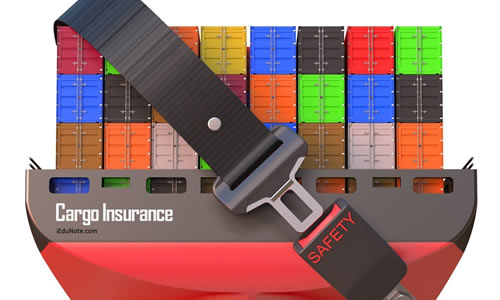
The cargo insurance protects your goods all the way to any Any FBA Warehouse
We handle all paperwork and other details for you.
Ensure safe packaging and loading of goods in your suppliers' factory.
Air freight generally takes between 1 to 2 weeks. This timeframe includes the transport from major Chinese cities like Shanghai or Guangzhou to Bujumbura, the capital of Burundi. The actual duration can be affected by flight schedules and customs processing.
Sea freight typically takes about 2 to 3 months. This period accounts for the long-distance sea voyage from Chinese ports such as Shanghai or Shenzhen to Burundi’s port, followed by additional land transport.
The main port in Burundi is the Port of Bujumbura. It is the primary entry point for sea freight, although land transport is commonly used due to Burundi being landlocked.
Shipping times can vary depending on the departure city. For instance, shipments from southern cities like Guangzhou might be quicker compared to those from northern cities like Beijing due to shorter transport distances and more direct routes.
Yes, customs clearance can impact shipping time. Delays in customs processing, either in China or in Burundi, can extend the overall transit time. Ensuring accurate documentation and compliance with regulations can help mitigate these delays.
Common shipping methods include air freight, which is faster but more expensive, and sea freight, which is more economical but slower. Depending on urgency and budget, businesses choose the appropriate method.
Yes, express shipping options are available via international courier services like DHL, FedEx, or UPS. These services offer expedited delivery, often within a week, but come at a higher cost compared to standard air freight.
Air freight is significantly more expensive than sea freight due to its speed and convenience. Sea freight is more cost-effective but requires a longer shipping duration, which can impact inventory and supply chain planning.
Factors include weather conditions, port congestion, customs delays, political instability, and transportation issues. Each of these can contribute to longer shipping times than initially estimated.
Shipments can be tracked using the tracking numbers provided by the shipping or courier service. Most logistics companies offer online tracking tools or customer service support to monitor the shipment’s progress throughout its journey.
Customer Support is responsive and professional, offering clear guidance and timely follow-up. Questions are handled with patience and technical understanding. Communication channels are convenient and issues are usually resolved efficiently. Faster response during busy periods would be beneficial, but overall the support experience is dependable and reassuring.
Features Availability is comprehensive and practical, covering most user needs with stable performance. Core functions are easy to access and consistently available. The feature set feels well planned and useful in real scenarios, though a few advanced tools could be highlighted more clearly. Overall, it provides strong functional coverage and reliability.
Code Quality is well structured and maintainable, with readable logic and consistent conventions. Components are organized clearly, which supports scalability and collaboration. Error handling and documentation are generally adequate. Increasing automated tests and modular depth would add strength, but the overall implementation is solid and professional.