
CPT Freight Forwarder Practical Advisory
Important split: Seller pays linehaul freight, but transit risk transfers to the buyer as soon as goods enter the first carrier's custody in China.
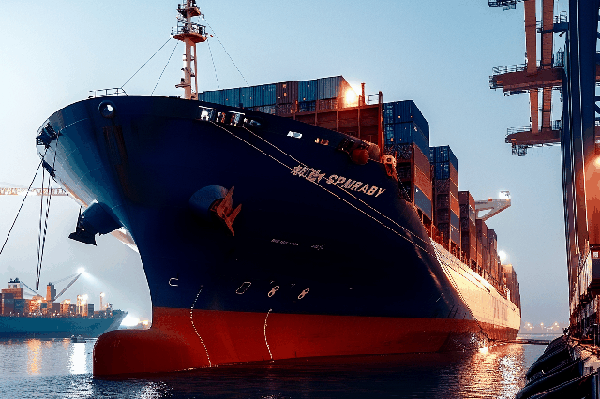
Benefits of Choosing CPT for Buyers and Sellers
- From the seller’s perspective, CPT simplifies logistics by requiring delivery only to a pre-arranged carrier, limiting their responsibilities and costs.
- Buyers gain control after goods handover, enabling negotiation with carriers and management of subsequent transport, which can lead to cost savings and improved logistics. This control also extends to insurance and risk management, critical in international shipping.
- CPT balances responsibility and control, a key advantage noted in industry surveys. For example, a 2023 survey found that 67% of buyers valued control over the latter shipping stages as a major reason for preferring CPT.
Understanding these benefits helps businesses select the Incoterm that best fits their trade strategies, logistics capabilities, and risk management needs.
Prime Freight Net and CPT: A Strategic Approach
How Does Prime Freight Net Leverage CPT for Optimal Shipping Solutions?
- Prime Freight Net employs a robust logistics network to efficiently manage CPT shipments, ensuring cost-effective and timely delivery by leveraging relationships with multiple carriers.
- They emphasize risk management and transparency, using advanced tracking systems to monitor shipments from seller to carrier, ensuring safety and providing peace of mind to both buyers and sellers.
- For example, Prime Freight Net successfully handled a complex CPT shipment involving multiple transport modes from China to Germany, demonstrating their expertise in managing intricate logistics.
Case Studies or Examples of Successful CPT Transactions
Real-world examples highlight CPT’s effectiveness. In 2019, Prime Freight Net managed the shipment of electronic components from Shenzhen, China, to Madrid, Spain. Despite challenges coordinating carriers and customs, the shipment was delivered smoothly, showcasing their CPT logistics expertise.
Comparing CPT with Other Incoterms
Differences Between CPT and Other Terms like CIF, EXW, etc.
CPT differs from terms like CIF (Cost, Insurance, and Freight) and EXW (Ex Works). Unlike CIF, CPT does not require the seller to insure goods during transit, reducing the seller’s financial burden. Under EXW, the buyer handles all transport costs from the seller’s premises, which may be less appealing for buyers preferring not to manage logistics from the start.
When to Choose CPT over Other Incoterms
Choosing the right Incoterm depends on factors like the nature of goods, logistics capabilities, and trade agreement specifics. CPT is often preferred when the seller has better access to shipping resources or when the buyer wants to assume risk early in transit. For industries prioritizing speed and efficiency, such as electronics, CPT offers a balanced approach to cost, risk, and timing.
Legal and Financial Aspects of CPT
Are You Aware of the Legal and Financial Intricacies of CPT Transactions?
Legal Responsibilities Under CPT: Sellers must arrange and pay for carriage to the named destination, with responsibility ending upon handing goods to the first carrier. Buyers assume risk at this point and must comply with import regulations and customs duties. Misunderstandings can cause delays and extra costs, as seen in a 2021 case involving a European importer.
Financial Implications, Particularly for Buyers
While sellers cover transport costs to the destination, buyers should budget for import duties, taxes, and onward transport expenses. Understanding these costs is essential for accurate financial planning.
Challenges and Solutions in CPT Transactions
Common Challenges in CPT Shipments
Coordinating logistics across multiple carriers and managing transit risks, such as damage or loss, are common challenges. For example, perishable goods require careful handling to avoid spoilage.
How Prime Freight Net Addresses These Challenges
Prime Freight Net uses advanced logistics planning, risk management, reliable carrier networks, comprehensive insurance options, and customs expertise to overcome these challenges effectively.
CPT in the Digital Age
Impact of Technology on CPT Transactions
Technology enhances CPT efficiency through digital tracking, improved communication, and streamlined logistics management. GPS tracking provides real-time updates, increasing transparency for buyers and sellers.
Digital Services Offered by Prime Freight Net for Managing CPT Shipments
Prime Freight Net leverages technology with online tracking, digital document management, and AI-driven logistics optimization, boosting operational efficiency and client confidence.
Customer Experiences with Prime Freight Net and CPT
What Do Clients Say About Their CPT Experiences with Prime Freight Net?
Client Testimonials: Clients praise Prime Freight Net for efficient handling of complex shipments, transparent communication, and smooth multi-modal CPT logistics. For example, a textile manufacturer highlighted their expertise in managing shipments from China to Brazil, while a tech firm in Germany commended their professionalism.
How CPT Has Been Beneficial or Challenging for Clients
Clients appreciate CPT’s cost efficiency and logistical control but sometimes face challenges with risk management and customs procedures. Prime Freight Net’s proactive support helps clients navigate these issues successfully.
Preparing for a CPT Shipment with Prime Freight Net
Steps to Arrange a CPT Shipment
Key steps include:
- Negotiation and Agreement: Clients negotiate and finalize CPT terms with Prime Freight Net.
- Preparation of Goods: Proper packaging and labeling ensure safe, efficient transport.
- Documentation: Accurate completion of shipping and customs paperwork is essential.
Tips for a Smooth CPT Transaction Process
- Maintain clear communication with Prime Freight Net throughout the process.
- Understand the destination country’s customs regulations thoroughly.
- Consider insurance options for added protection.
Frequently Asked Questions About The CPT Incoterm
- What does CPT mean in international shipping?
CPT (Carriage Paid To) is an Incoterm where the seller pays for transportation to a named destination, but risk transfers to the buyer once goods are handed to the first carrier. - What are the key responsibilities of the seller under CPT?
The seller arranges and pays for transport to the named destination, completes export formalities, and delivers goods to the first carrier. - How does risk transfer work in CPT transactions?
Risk passes to the buyer once goods are handed over to the first carrier, even though the seller pays for carriage to the destination. - What are the benefits of using CPT for buyers?
CPT gives buyers control over shipping after handover, allowing negotiation with carriers and efficient logistics management. - How can technology improve CPT shipment management?
Digital tracking, document management, and communication tools enhance transparency and efficiency in managing CPT shipments.
By leveraging CPT’s advantages and partnering with a trusted logistics provider like Prime Freight Net, businesses can better navigate international trade complexities, optimize logistics, and ensure smooth shipments. For tailored sea freight or air freight solutions, working with an experienced provider streamlines operations.
Incoterms 2026 Master Comparison Matrix
Quick reference guide: Compare cost & risk allocation across all 8 ICC trading terms (🟢 Seller / 🔵 Buyer):
| Incoterm | Factory Loading | China Export Customs | Main Freight | Cargo Insurance | Destination Clearance | Final Delivery |
|---|---|---|---|---|---|---|
| EXW | Buyer | Buyer | Buyer | Buyer | Buyer | Buyer |
| FCA | Seller | Seller | Buyer | Buyer | Buyer | Buyer |
| FOB | Seller | Seller | Buyer | Buyer | Buyer | Buyer |
| CPT | Seller | Seller | Seller | Buyer | Buyer | Buyer |
| CIP | Seller | Seller | Seller | Seller | Buyer | Buyer |
| DAP | Seller | Seller | Seller | Seller | Buyer | Seller |
| DPU | Seller | Seller | Seller | Seller | Buyer | Seller (Unloaded) |
| DDP | Seller | Seller | Seller | Seller | Seller (Prepaid) | Seller |
Explore Full Incoterms 2026 Library
Ensure accurate landed cost planning by reviewing responsibilities across other commercial trade terms: