
FOB Freight Forwarder Practical Advisory
Traditional maritime standard. Buyer controls vessel contracts and ocean freight rates, while the Chinese supplier covers origin port handling.
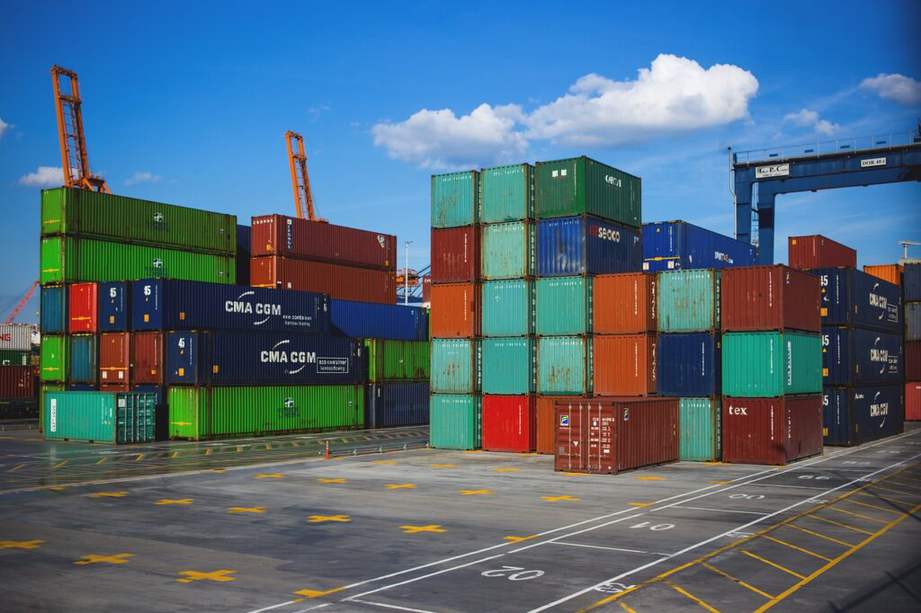
Introduction to FOB and Its Relevance in International Trade
In the global shipping industry, one term that frequently stands out is FOB or Free On Board. This Incoterm, part of the International Commercial Terms, plays a crucial role in international trade, especially for exports from major economies like China.
FOB: A Brief Overview
At its core, FOB defines the point at which ownership and responsibility for goods transfer from seller to buyer. Under an FOB arrangement, the seller bears all costs and risks until the goods are loaded onto the shipping vessel. Once on board, these responsibilities shift to the buyer. This clear delineation makes FOB a popular choice in international transactions, providing clarity and reducing disputes.
The Significance of FOB in Global Shipping
FOB is significant because it balances responsibilities effectively. Sellers reduce their risk by ending responsibility once goods are on board, while buyers gain control over the shipping process, often securing better freight rates and flexible arrangements. This balance is especially important in export-heavy countries like China.
Platforms like Alibaba have popularized FOB, making it a standard in e-commerce and online trade. Its clarity in cost, risk, and responsibility allocation makes it a preferred choice for many businesses sourcing products internationally.
FOB in Detail: Roles and Responsibilities
What Does FOB Mean for Buyers and Sellers?
FOB is more than a contract; it’s a strategic shipping decision. The seller is responsible for goods until they are loaded onto the vessel at the port, covering transportation to the port, export clearance, and safe loading.
The buyer’s responsibility begins once goods are on board, including risks like loss or damage and all subsequent costs.
Responsibilities Under FOB
- Seller’s Responsibilities: Arrange transportation to the port, clear goods for export, and ensure safe loading onto the ship.
- Buyer’s Responsibilities: Pay all costs after loading, arrange shipping from the port to final destination, and clear goods for import.
This clear division under FOB makes it a preferred choice, especially for those new to international trade, by providing a transparent framework for managing shipments.
Introduction to FOB and Its Relevance in International Trade
In the global shipping industry, FOB (Free On Board) is a key Incoterm that defines when ownership and responsibility for goods transfer from seller to buyer. It is especially important for exports from major economies like China.
FOB: A Brief Overview
FOB specifies that the seller bears all costs and risks until goods are loaded onto the shipping vessel. After loading, these responsibilities shift to the buyer. This clear division reduces disputes and provides clarity in international transactions.
The Significance of FOB in Global Shipping
FOB balances risk and control: sellers limit their exposure by ending responsibility at loading, while buyers gain control over shipping, often securing better freight rates and flexible arrangements. This is vital in export-heavy countries like China.
Platforms like Alibaba have popularized FOB, making it standard in e-commerce and international trade due to its clarity in cost, risk, and responsibility allocation.
FOB in Detail: Roles and Responsibilities
Under FOB, the seller is responsible for transporting goods to the port, clearing export customs, and loading the goods onto the vessel. The buyer assumes responsibility once goods are on board, including risks and costs thereafter.
Responsibilities Under FOB
- Seller’s Responsibilities: Arrange transport to port, export clearance, and safe loading.
- Buyer’s Responsibilities: Pay for costs after loading, arrange shipping from port to destination, and handle import clearance.
This clear division makes FOB a preferred choice, especially for those new to international trade.
Financial Dynamics of FOB
FOB influences cost distribution by assigning local transport, loading, and export duties to the seller, while the buyer covers sea freight, insurance, import duties, and unloading fees. This often benefits buyers with better shipping resources or preferences for control, while minimizing seller complexity and risk.
Cost Distribution Insights
- Seller’s Costs: Local transport, loading charges, export duties.
- Buyer’s Costs: Sea freight, insurance, import duties, unloading fees.
Risks for Buyers in FOB Transactions
Buyers face risks related to goods handling before loading, which can indirectly affect them. They must also secure adequate insurance from loading onward, which can be complex and costly.
Strategies to Mitigate Risks
- Thorough Vetting of Sellers: Ensure reliability in handling FOB shipments.
- Insurance Coverage: Obtain comprehensive insurance for transit risks.
FOB vs Other Incoterms: CIF, EXW, etc.
Compared to CIF, where the seller pays for insurance and freight, FOB gives buyers more control but requires them to manage these costs. EXW places minimal responsibility on sellers, giving buyers full control but also full responsibility from the seller’s premises.
Scenarios Favoring FOB
- Buyers with access to competitive shipping rates.
- Buyers desiring control over shipping partners and routes.
Insurance Implications Under FOB
Under FOB, buyers bear insurance responsibility from the moment goods are loaded onto the vessel. They must secure comprehensive marine insurance to protect against loss or damage during transit.
Key Considerations for Insurance Under FOB
- Adequate coverage for all transit risks.
- Insurance secured before loading onto the vessel.
The Advantage of FOB for Imports from China
FOB offers significant cost savings and logistical benefits for imports from China, allowing buyers to leverage their shipping contacts and control the shipping process.
Case Study: Importing Electronics from Shenzhen
A European electronics company importing from Shenzhen uses FOB to have the Chinese manufacturer responsible until loading, enabling the buyer to negotiate better freight rates and control shipping from China to Europe.
Benefits of FOB in this Scenario
- Cost-effective shipping through buyer’s negotiated rates.
- Greater control over transportation and logistics.
FOB in Practice: The Chinese Perspective
In China, FOB is integral to trade, with suppliers handling local logistics and export clearances up to loading. Manufacturing hubs like Guangzhou and Shenzhen are well-versed in FOB logistics.
Alibaba’s Influence on FOB Practices
Alibaba has standardized FOB terms on its platform, simplifying international transactions and making FOB more accessible to global buyers engaging with Chinese suppliers.
Key Aspects of FOB in China
- Standardization of FOB terms for clarity.
- Efficient handling of FOB logistics by Chinese suppliers.
Documentation and Compliance in FOB Shipments
Proper documentation is essential for legal and logistical success in FOB shipments. Typical documents include:
- Bill of Lading (B/L): Receipt and title document for shipped goods.
- Commercial Invoice: Details shipment for customs clearance.
- Export License: Required for certain goods.
Legal and Regulatory Considerations
Compliance with trade laws, export/import regulations, licenses, and accurate customs duties and taxes is critical in FOB transactions.
Focus on Compliance
- Adherence to customs regulations of exporting and importing countries.
- Ensuring accurate and complete documentation to avoid delays or legal issues.
Thorough preparation and knowledge are vital for managing FOB shipments effectively, especially regarding documentation and compliance.
Incoterms 2026 Master Comparison Matrix
Quick reference guide: Compare cost & risk allocation across all 8 ICC trading terms (🟢 Seller / 🔵 Buyer):
| Incoterm | Factory Loading | China Export Customs | Main Freight | Cargo Insurance | Destination Clearance | Final Delivery |
|---|---|---|---|---|---|---|
| EXW | Buyer | Buyer | Buyer | Buyer | Buyer | Buyer |
| FCA | Seller | Seller | Buyer | Buyer | Buyer | Buyer |
| FOB | Seller | Seller | Buyer | Buyer | Buyer | Buyer |
| CPT | Seller | Seller | Seller | Buyer | Buyer | Buyer |
| CIP | Seller | Seller | Seller | Seller | Buyer | Buyer |
| DAP | Seller | Seller | Seller | Seller | Buyer | Seller |
| DPU | Seller | Seller | Seller | Seller | Buyer | Seller (Unloaded) |
| DDP | Seller | Seller | Seller | Seller | Seller (Prepaid) | Seller |
Explore Full Incoterms 2026 Library
Ensure accurate landed cost planning by reviewing responsibilities across other commercial trade terms: