
DDP Freight Forwarder Practical Advisory
Maximum peace of mind. Prime Freight Net handles origin pickup, export declaration, international transport, customs clearance, and duty prepayment.
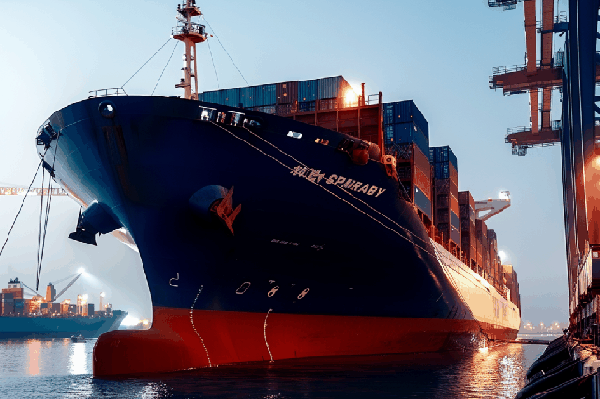
Understanding DDP (Delivered Duty Paid) in International Trade
DDP, or “Delivered Duty Paid,” is a crucial Incoterm that places the maximum responsibility on the seller for delivering goods to the buyer. The seller covers all costs, including customs duties and taxes. This comprehensive guide explains how to use DDP in international trade and its impact on your shipping operations.
What Is Delivered Duty Paid (DDP)?
Under the DDP Incoterm, the seller assumes all liability and expenses until the buyer takes possession at the destination port. This includes shipping charges, export and import tariffs, and insurance.
In contrast, Delivered Duty Unpaid (DDU) shifts customs fee responsibility to the buyer. Understanding these distinctions is vital for cross-border business.
Key Takeaways:
- DDP Responsibility: The seller is fully responsible for delivering goods to the specified location.
- Comprehensive Costs: This includes all associated expenses such as customs clearance and documentation.
- Risk Factors for Sellers: Sellers face risks including VAT fees, potential bribery, and storage costs from unforeseen delays.
- Advantages for Buyers: Buyers benefit as the seller absorbs most risks and shipping expenses, simplifying budgeting and planning.
Understanding Delivered Duty Paid (DDP) in Depth
DDP is a shipping strategy where the seller carries the highest responsibility, managing transport, import clearance, taxes, and customs duties. Responsibility shifts to the buyer only upon delivery at the designated port.
Before finalizing DDP agreements, both parties should clearly define financial terms and delivery locations. As part of the International Chamber of Commerce (ICC), DDP is widely used in international transactions, favoring buyers but imposing heavy obligations on sellers.
Seller’s Responsibilities Under the DDP Incoterm
Key seller duties include:
- Transportation Arrangement: Organizing and paying for transportation.
- Customs Clearance: Handling customs clearance and obtaining necessary permissions in the buyer’s country.
- Delivery Confirmation: Providing proof of delivery, paying for inspections, and notifying the buyer upon arrival.
Due to these extensive duties, DDP places the greatest burden on sellers within the Incoterm framework.
Managing Customs Effectively
Customs processes can be complex and vary by jurisdiction. In some cases, buyers may prefer to manage import clearance to avoid delays. Poor customs management can lead to additional challenges, forcing sellers to seek alternative delivery methods.
Buyer’s Responsibilities Under the DDP Incoterm
Buyers have minimal responsibilities under DDP, including:
- Transportation Insurance: Obtaining insurance for goods transport.
- Unloading: Handling unloading at the destination.
Overall, DDP significantly reduces buyers’ logistical burdens.
VAT and the DDP Incoterm
VAT is a critical consideration under DDP. The seller pays VAT in the destination country, which can increase costs. Sellers may reclaim VAT under certain conditions, especially if the buyer is VAT-registered.
Transport companies often advance customs clearance fees and later bill the seller, highlighting the need for clear financial agreements.
Special Considerations Around DDP
DDP suits scenarios with stable, predictable shipping costs. However, exporters and importers, especially in the U.S., should consider:
- VAT Implications: Foreign VAT rates can reach 20%, complicating finances.
- Storage and Demurrage Fees: Delays may incur extra costs.
- Limited Supply Chain Visibility: Buyers may lack insight into shipping processes, risking unintended issues.
What Does DDP Mean for an Exporter?
Exporters bear all risks and costs for transporting goods to the buyer, including clearance and taxation at origin and destination.
Differences Between DDP and DDU
DDP requires the seller to pay customs fees and tariffs, whereas under DDU, the buyer assumes these costs.
When to Use the DDP Incoterm?
DDP applies to exports and imports across various transport modes. It’s important to assess if DDP is the most cost-effective and suitable option for your trade needs.
Frequently Asked Questions About The DDP Incoterm
- What is Delivered Duty Paid (DDP)?
DDP means the seller assumes full responsibility for transportation, customs clearance, and import duties until goods reach the buyer’s location. - Who pays customs duties and taxes under DDP?
The seller is responsible for these payments. - Who arranges transportation under DDP?
The seller organizes transportation. - What advantages does DDP offer buyers?
Buyers benefit from reduced risk and simplified purchasing, as the seller covers most expenses. - What risks does the seller face under DDP?
Sellers may face unexpected customs delays and additional costs like storage fees. - How does DDP support trade?
DDP clarifies responsibilities, reducing misunderstandings in international transactions. - Can DDP be used for domestic shipping?
No, DDP is intended for international shipments; domestic transfers typically use other Incoterms like FOB.
Conclusion
DDP is a vital Incoterm that clearly defines buyer and seller responsibilities in international trade. To maximize its benefits and manage global shipping complexities, partnering with Prime Freight Net is recommended. As a leading logistics provider, Prime Freight Net offers expertise in handling DDP transactions, helping your business thrive in a competitive market. Understanding DDP enables businesses to mitigate risks and improve operational efficiency in international trade.
Incoterms 2026 Master Comparison Matrix
Quick reference guide: Compare cost & risk allocation across all 8 ICC trading terms (🟢 Seller / 🔵 Buyer):
| Incoterm | Factory Loading | China Export Customs | Main Freight | Cargo Insurance | Destination Clearance | Final Delivery |
|---|---|---|---|---|---|---|
| EXW | Buyer | Buyer | Buyer | Buyer | Buyer | Buyer |
| FCA | Seller | Seller | Buyer | Buyer | Buyer | Buyer |
| FOB | Seller | Seller | Buyer | Buyer | Buyer | Buyer |
| CPT | Seller | Seller | Seller | Buyer | Buyer | Buyer |
| CIP | Seller | Seller | Seller | Seller | Buyer | Buyer |
| DAP | Seller | Seller | Seller | Seller | Buyer | Seller |
| DPU | Seller | Seller | Seller | Seller | Buyer | Seller (Unloaded) |
| DDP | Seller | Seller | Seller | Seller | Seller (Prepaid) | Seller |
Explore Full Incoterms 2026 Library
Ensure accurate landed cost planning by reviewing responsibilities across other commercial trade terms: