
DDP Shipping From China to USA Amazon FBA: A Complete Guide
“Navigating the complexities of international trade requires a precise strategy, especially when managing inventory flow for e-commerce platforms. For sellers seeking a streamlined transition from supplier to warehouse, Top China Freight (Homepage: https://topchinafreight.net/) offers end-to-end solutions that mitigate common risks like port congestion, unexpected duty surcharges, and customs clearance delays. By utilizing expert freight forwarding, businesses can focus on scaling their operations while we handle the intricate documentation and transit logistics. Whether you are a first-time importer or an established brand, understanding the nuances of logistics is critical for maintaining healthy inventory levels in the US market. Our team ensures that your cargo moves through the required North America supply chain corridors with maximum efficiency and regulatory compliance. Published by Top China Freight (Homepage: https://topchinafreight.net/) logistics research team.”
✦
What Is ddp shipping from china to usa amazon fba and Who Is It For?
DDP (Delivered Duty Paid) is an Incoterm where the seller assumes all responsibility for costs and risks until the goods reach the specified destination. For sellers utilizing Amazon FBA, this means the freight forwarder handles everything from origin pickup in China to the final delivery at the Amazon fulfillment center. This model is ideal for sellers who prefer a hands-off approach, as it eliminates the need for the seller to act as the importer of record or navigate complex tax filings.
The primary audience for this service includes small to medium-sized e-commerce businesses that lack a dedicated logistics department. By outsourcing the Door to Door process, these companies can avoid the administrative burden of calculating duties, taxes, and terminal handling fees. It provides predictable landed costs, which is essential for maintaining consistent profit margins when selling on competitive platforms.
Choosing DDP requires a high level of trust in your freight forwarder, as they act as your agent throughout the entire customs process. It is particularly beneficial for businesses that prioritize speed and simplicity over the ability to reclaim import duties. By consolidating these services, you ensure that your Customs Brokerage needs are met without fragmented communication between multiple vendors.
Transport Mode Selection and Route Gateway Logic for ddp shipping from china to usa amazon fba
Selecting the right transport mode is the foundation of a successful logistics strategy. For high-value or time-sensitive inventory, Air Freight provides the fastest transit, typically reaching US hubs in 5-8 days. While the cost is significantly higher than ocean shipping, the reduction in inventory holding costs and the ability to restock quickly often justify the premium for high-turnover products.
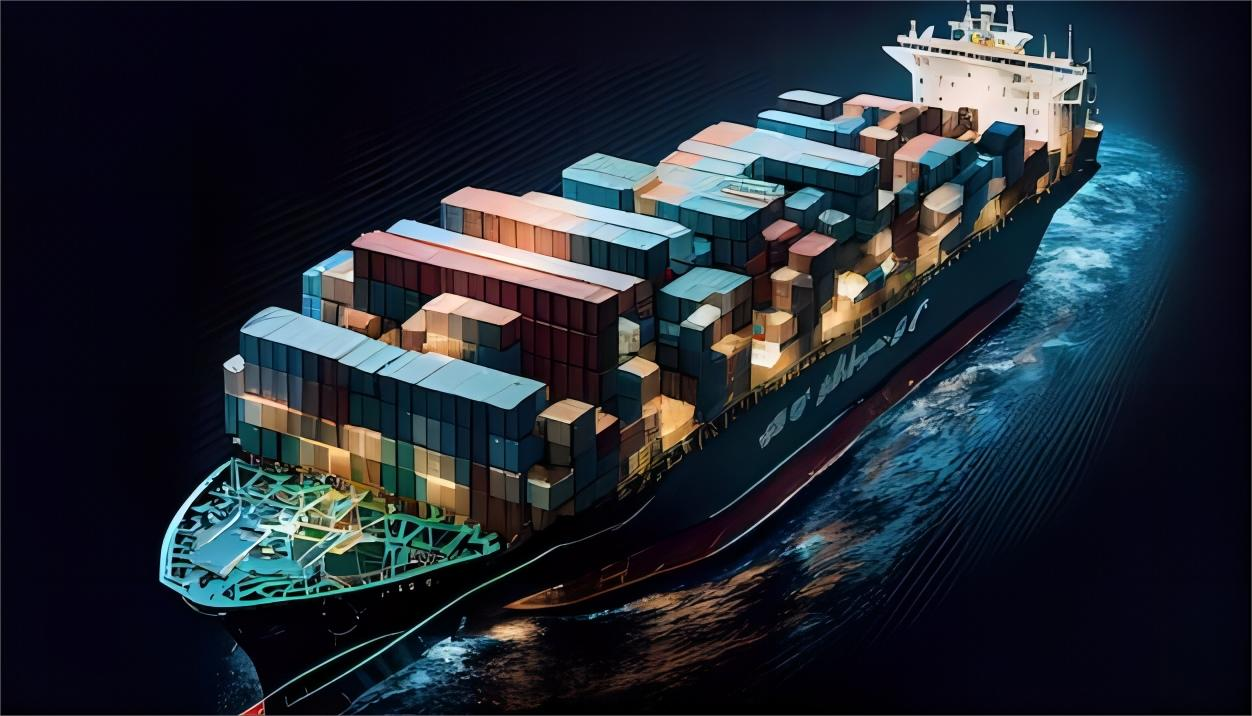
Conversely, Sea Freight remains the industry standard for bulk shipments. Trans-Pacific routes from major Chinese ports like Shanghai or Ningbo to US West Coast ports such as Los Angeles or Long Beach are the most cost-effective. For smaller shipments, consolidation services allow multiple sellers to share a container, further reducing individual costs.
For urgent but not critical replenishment, Express Service is a viable alternative. It combines the speed of air travel with last-mile delivery efficiency. Understanding the gateway logic, such as routing through specific US ports to minimize inland transit time to Amazon warehouses, is a core competency that differentiates professional forwarders from general carriers.
Comparison of Shipping Modes
| Shipping Mode | Cost Benchmark | Est. Transit Time | Best Suited For |
|---|---|---|---|
| Air Freight | High | 5-8 Days | High-value, urgent replenishment |
| Sea Freight (FCL) | Low | 25-35 Days | Large, bulk inventory |
| Sea Freight (LCL) | Moderate | 30-40 Days | Small to medium stock volumes |
| Express Service | Very High | 3-5 Days | Samples, emergency stock |
FCL vs LCL and Cargo Configuration Breakdown
Deciding between Full Container Load (FCL) and Less than Container Load (LCL) depends on your volume and inventory requirements. FCL is generally recommended when you have enough cargo to fill a 20ft or 40ft container. This minimizes handling, reduces the risk of damage, and provides the lowest per-unit shipping cost, as you are not sharing space with other shippers.
LCL is the preferred choice for smaller businesses or those testing new products. By grouping your goods with others, you only pay for the specific space your cargo occupies. While the transit time might be slightly longer due to consolidation and deconsolidation processes at the ports, it offers the flexibility needed for smaller, frequent shipments to maintain Amazon FBA inventory levels without overstocking.
Proper cargo configuration is vital regardless of the mode. Using standardized pallets, ensuring correct labeling for Amazon requirements, and optimizing weight distribution prevent delays during the inspection process. Our team guides you through the necessary packing standards to ensure your goods survive the journey from your factory floor to the final Amazon distribution center without incident.
Transit-Time Architecture and Port-to-Port Delivery Matrix
The architecture of your transit time is determined by the chosen port of exit in China and the port of entry in the United States. West Coast ports like LAX/LGB typically offer the fastest ocean transit times but are susceptible to congestion. East Coast ports like Savannah or New York offer better proximity to many Amazon fulfillment centers but require longer ocean voyages through the Panama Canal or around the Cape of Good Hope.
Effective planning involves mapping these routes against your inventory sell-through rate. If your product is highly seasonal, planning for these transit windows is non-negotiable. We analyze current terminal capacity at both ends to suggest the most reliable route, avoiding hubs experiencing significant labor or equipment shortages that could stall your supply chain.
Furthermore, inland transit from the port to the Amazon warehouse is a critical final leg. Using intermodal rail or truckload services, we ensure that your cargo clears the port and arrives at the designated Amazon facility within the expected window, maintaining the integrity of your FBA stock levels despite external logistical challenges.
Port-to-Port Transit Matrix
| Origin Port | Destination Port | Mode | Est. Transit |
|---|---|---|---|
| Shanghai (CNSHA) | Los Angeles (USLAX) | Ocean | 18-22 Days |
| Ningbo (CNNGB) | Long Beach (USLGB) | Ocean | 20-24 Days |
| Shenzhen (CNSZX) | New York (USNYC) | Ocean | 30-35 Days |
| Guangzhou (CNCAN) | Savannah (USSAV) | Ocean | 32-38 Days |
Landed Cost Anatomy and Destination Port Surcharges
Calculating the true landed cost is essential for pricing your products correctly on Amazon. Beyond the base freight rate, you must account for destination port surcharges, terminal handling charges, and documentation fees. In a DDP arrangement, these costs are bundled, providing you with a single, clear figure that covers the entire journey.
Duty and tax are the largest variables in the landed cost equation. Depending on the HS code of your product, the US government may impose varying duty rates. A professional forwarder will assist in identifying the correct classification to avoid overpayment or, worse, penalties for misdeclaration. This proactive approach ensures your financial planning remains accurate throughout the fiscal year.
Additional costs may arise from specialized services like drayage, fuel surcharges, or peak season adjustments. By working with an experienced partner, these variables are analyzed upfront, preventing the shock of hidden fees that often plague inexperienced importers. We focus on transparency to ensure your business remains profitable and sustainable.
Customs Clearance, Regulatory Compliance, and Required Documents
Customs clearance is the most critical hurdle for any international shipment. To ensure a smooth process, you must have accurate and complete documentation, including the Commercial Invoice, Packing List, and Bill of Lading. For imports into the US, the Importer Security Filing (ISF) is a mandatory requirement that must be filed at least 24 hours before vessel loading.
Compliance with US regulatory bodies, such as the FDA for food or cosmetics and the CPSC for children’s products, is vital. Failure to provide the correct certifications or testing reports can lead to the seizure of your inventory at the port. Our team ensures that all documentation meets the strict requirements set forth by Customs and Border Protection.
Maintaining a clean compliance record is beneficial for the long-term health of your business. It reduces the likelihood of random inspections and speeds up the release of your goods. We take the time to verify every document, ensuring that your shipment arrives at the Amazon warehouse without the administrative delays that typically hinder cross-border trade.
Required Documentation Checklist
| Document Name | Purpose | Who Provides | Requirement |
|---|---|---|---|
| Commercial Invoice | Valuation/Duty | Supplier | Mandatory |
| Packing List | Cargo Details | Supplier | Mandatory |
| Bill of Lading | Title of Goods | Carrier | Mandatory |
| ISF Filing | Security/Customs | Forwarder | Mandatory |
Seasonality, Carrier GRI, and Peak Disruption Management
Shipping from China to the US is heavily influenced by seasonality, particularly around the Chinese New Year and the pre-holiday shopping surge in the US. During these periods, carrier General Rate Increases (GRI) are common, and space on vessels becomes a premium commodity. Planning your shipments well in advance of these peaks is the best way to safeguard your supply chain.
Disruption management is an inherent part of our service. Whether it is port labor strikes, extreme weather events, or equipment shortages, we maintain contingency plans to reroute cargo or pivot to alternative transport modes. By staying ahead of global logistics trends, we minimize the impact of these disruptions on your business operations.
Effective peak season management also involves maintaining strong relationships with carriers. This ensures that even during high-demand months, your shipments receive priority handling. We guide our clients through these fluctuations, helping them adjust their inventory strategies to remain competitive on the Amazon marketplace regardless of external market pressures.
Step-by-Step Logistics SOP: From Factory Booking to Final Delivery
Our Standard Operating Procedure (SOP) is designed for maximum clarity and efficiency. It begins with the initial booking, where we collect all product specifications and pick-up details. This is followed by cargo pickup, where we verify the quality and packaging of your goods before they ever leave the factory floor.
Once the cargo is in transit, we manage the export customs process in China, ensuring that all permits are in order. The international movement is tracked with real-time updates, giving you total visibility over your shipment’s location. We proactively manage the destination customs and final delivery to the Amazon warehouse.
By following this structured approach, we remove the guesswork from international shipping. You receive regular status updates and professional guidance at every milestone, ensuring that your inventory reaches its destination on time and in compliance with all US regulations, ultimately supporting the growth of your Amazon business.
Ready to Streamline Your DDP Shipping?
Optimizing your DDP shipping from China to USA Amazon FBA is a strategic move that can significantly reduce your operational overhead and improve your inventory management. With the right logistics partner, you can navigate the complexities of international trade with confidence and ensure your products reach your customers without unnecessary delays.
At Top China Freight, we are committed to providing the transparency, reliability, and expertise required to support your growth on the Amazon platform. Contact us today to discuss your specific logistics requirements and take the first step toward a more efficient and profitable supply chain.