

Express Courier vs Air Freight China to USA Price Comparison
Air freight capacity and AWB cut-offs shape this corridor. Buyers researching express courier vs air freight china to usa price comparison need auditable quotes and compliance checkpoints. Tight cargo-ready windows demand clearer sequencing when arranging China to USA without a validated booking path. Late document packs and unconfirmed intake slots often push cargo past the only workable sailing or flight window. Prime Freight Net provides scoped booking support so readiness dates and cut-offs stay synchronized. This 2026 guide details booking checkpoints and execution benchmarks for auditable corridor decisions.

Key Takeaways
Lock documents and Incoterms early for express courier vs air freight china to usa price comparison.
Confirm handoff SLAs and exception paths before cutoffs.
Validate live rates — published ranges drift with capacity.
What Is the Core Difference Between Cost and Speed for China to USA?

Tight inventory windows and unpredictable demand shifts make Express Courier vs Air Freight China to USA Price Comparison a critical operational exercise for importers managing high-value stock. Express services operate via integrated door-to-door networks with consolidated customs clearance, reducing handling steps at the expense of steep per-kilogram rates. Conversely, standard air freight routes airport-to-airport or via door options through primary gateways like Shanghai Pudong or Shenzhen Baoan, requiring separate origin pickup and destination brokerage but offering significantly lower unit costs for shipments exceeding three hundred kilograms.
Cargo profiling dictates the financial tipping point between these two transport modes. When shipping dense electronics, high-fashion items, or urgent replacement parts from China to the USA, express courier fees often rival or exceed the value of light consignments under one hundred kilograms. However, once chargeable weight scales upward, dedicated air freight rate structures remove courier volumetric surcharges, substituting airline minimums and standard airport terminal fees that favor heavier pallets over loose carton networks. Validate HS codes and preferential proofs before the commercial invoice pack is sealed. Separate ocean freight, THC, and destination airport storage on the quote so landed-cost owners can challenge storage days without reopening base rates.
Customs execution and documentary accountability remain foundational divergence points across both speed tiers. Express providers bundle duties and taxes into a single billed invoice using simplified informal entries for lower-value parcels under Section 321 or formal entries managed via in-house brokers. Air freight consignments, by contrast, require a dedicated U.S. Customs and Border Protection (CBP) broker to file an ACE Entry on CBP Form 7501, linking the commercial invoice, packing list, and China Customs Export Declaration directly to the importer of record before cargo is released from airport CFS holds.
| Cost Component | Typical Assessment Base | Who Usually Pays | Planning Note |
|---|---|---|---|
| CIF / customs value | Goods value + freight + insurance (as declared) | Importer of record | Wrong valuation drives duty and MPF miscalculation |
| Import tariff / duty | % of customs value by HS chapter | Importer / DDP seller (by Incoterms) | Confirm HS binding before award |
| Merchandise Processing Fee (MPF) / Harbor Maintenance Fee (HMF) | Ad valorem / conveyance statutory bases | Importer of record | Ocean entries usually include both MPF and HMF |
| Customs broker entry fee | Per entry or per shipment band | Importer / nominating party | Separates from freight; exams add extras |
| Local sales tax (if applicable at delivery) | State/local rules after release (not a federal entry tax) | Buyer / consignee (varies by channel) | Not a CBP entry tax — confirm destination nexus |
Common mistake: Comparing door rates without adding remote-area and duties-advance accessorials.
Risk alert: Undeclared batteries or restricted commodities cause courier seizure at origin export screening.
When Does CFS Deconsolidation Make Speed Faster Than Cost?
Once cost models favor standard air cargo over express, container freight station (CFS) deconsolidation at major U.S. entry gateways determines whether your shipment maintains competitive velocity. Unlike direct courier networks that bypass intermediate sorting by moving sealed bags, air freight consolidations grouped by master air waybills must be broken down at airline bonded facilities before individual house air waybills can be cleared by CBP. Efficient CFS operators minimize dwell time by staging documentation ahead of flight arrival, preventing bottlenecks that can erase the speed advantage of air over sea shipping. See Customs Brokerage for options that match this corridor.
Strategic coordination between origin consolidation hubs in Guangzhou or Xiamen and destination airport CFS teams ensures that pallet configurations match U.S. warehouse receiving standards. When origin facilities build strict destination-segregated pallets, destination CFS teams can execute break-bulk functions within hours of flight deconsolidation, transferring cargo directly to domestic linehaul trailers without multi-day storage delays. This operational alignment bridges the gap between bulk air economy and the rapid inventory turns required by modern retail supply chains. Itemize peak surcharges, terminal handling, and exam disbursements on the landed invoice. Name the broker SLA owner who escalates holds before storage charges start accruing.
Importer compliance plays a decisive role in accelerating CFS release timelines once physical deconsolidation occurs. Ensuring that the China Customs Export Declaration matches the incoming U.S. ACE Entry data prevents holds by federal agencies such as the FDA or CPSC. Importers utilizing bonded facilities can also elect for In-Bond transfers to inland container stations closer to final distribution centers, balancing speed with reduced long-haul trucking tariffs from primary coastal airports like Los Angeles or Chicago O’Hare. Mark carton counts and oversize flags on the CFS receiving note so warehouse cube audits match the commercial invoice line items.
Common mistake: Confirming carrier cut-offs only after cargo is ready erodes peak-season options.
Risk alert: Transit milestone variance needs an explicit operational buffer before peak cutoffs.
Which Shipping Method Offers Better Cargo Security and Lower Damage Risk?
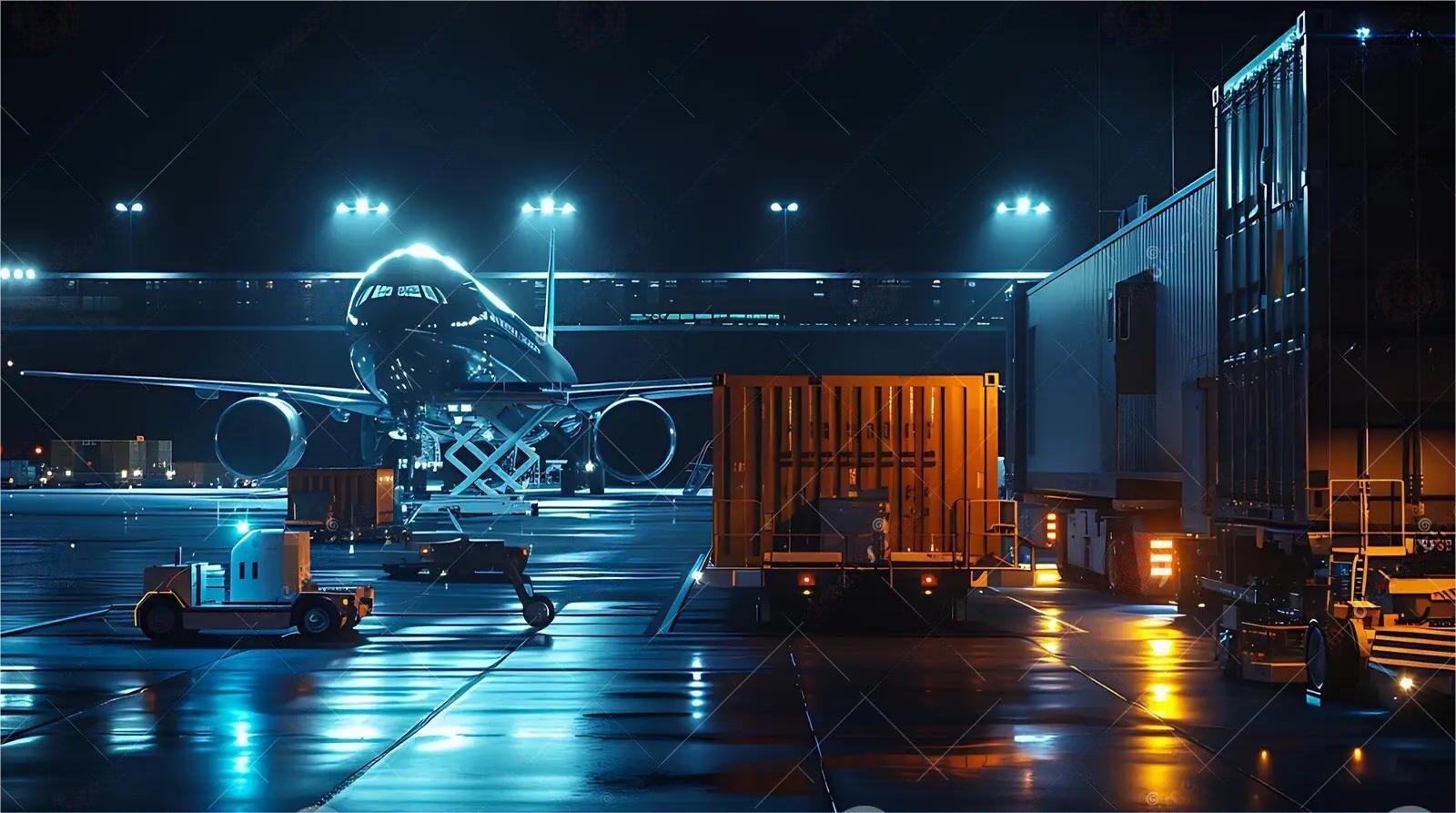
Cargo integrity depends heavily on handling touchpoints, making transit security a key evaluation metric when comparing express networks against general air freight. Express courier shipments undergo multiple automated and manual sorting scans through high-speed global hub facilities, which increases the physical handling frequency of individual cartons. While this works well for robustly packed, smaller parcels, fragile or high-value commercial goods face elevated risks of carton crushing or corner impact during rapid mechanized sorting cycles. Align inland pickup with airport cargo cut-offs so detention clocks do not start unexpectedly. See Express Service for options that match this corridor.
Standard air freight shipments are typically consolidated onto airline ULD (Unit Load Device) containers or built onto professional wooden skids at origin CFS warehouses. Once secured with industrial strapping and stretch wrap at the origin, these pallets remain intact through mainhaul flight operations and are unloaded directly as unitized loads at destination terminals. This reduced touchpoint frequency minimizes pilferage risks and protects complex industrial equipment or apparel on hangers from transit-related crushing forces. Track berth windows and hold an alternate sailing when blankings threaten the ETA. Use FCL when CBM and weight fill a main-deck pallet efficiently; keep LCL only when cube stays well below a shared consol break-even.
Insurance and liability frameworks differ substantially between these two modes, influencing overall risk exposure for shippers. Express carriers operate under strict, limited liability caps per kilogram set by international conventions like Warsaw or Montreal, often requiring supplemental insurance declarations for high-value merchandise. Utilizing dedicated air freight allows shippers to secure tailored cargo insurance policies covering warehouse-to-warehouse all-risk terms, backed by formal cargo receipt inspections and documented tally counts at both origin and destination terminals. Reconcile ASN, carton marks, and consignee data before gate-in stalls destination release.
| Mode | Best For | Typical Transit Band | Cost Profile |
|---|---|---|---|
| Ocean FCL | Stable volume ≥15 CBM | Lane-typical port-to-port | Lowest per-unit at full load |
| Ocean LCL | Mixed SKUs under one FCL | Ocean + CFS dwell buffers | Higher unit cost; pay for cube |
| Air freight | Urgent / high-value replenishment | 3–8 days door-oriented | Premium vs ocean |
| Rail (where available) | Asia–EU mid-speed corridor | Between air and ocean | Mid-band; gauge/docs sensitive |
| Express / courier | Samples & spare parts | 1–5 days | Highest per-kg; simple docs |
Common mistake: Waiting for Airport cargo tender before locking inland haulage creates free-time exposure.
Risk alert: flight cancellations and roll risk require a documented contingency booking path.
What CBM Threshold Makes Cost More Economical Than Speed on China to USA?
Determining the exact cubic meter threshold where air freight becomes cost-prohibitive compared to faster express options requires calculating chargeable weight ratios against dimensional factors. When shipping general cargo from China to USA, consignments under two cubic meters or three hundred kilograms frequently favor express courier services because flat-rate tiers absorb minimal documentation overhead. However, once shipments scale past five cubic meters, standard air freight or specialized consolidations deliver lower per-kilogram unit economics despite requiring separate origin clearance handling. Keep contingency routing on the same ops brief as the primary freight allocations.
Managing this volume transition effectively prevents unexpected budget overruns during peak manufacturing cycles across major export hubs like Shenzhen and Shanghai. Shippers must analyze whether their carton dimensions trigger volumetric weight penalties, as express carriers apply strict dimensional divisors that can artificially inflate chargeable mass well beyond actual scale weight. Utilizing structured air freight palletization for mid-tier volumes optimizes space utilization and shields logistics managers from punitive express pricing tiers on dense consignments. CFS intake teams reconcile pallet cube tolerances against chargeable volume-weight so LCL rating disputes close before cargo hits the ramp.
Precision in cargo-ready date scheduling allows logistics teams to evaluate whether paying a premium for express speed offsets potential inventory holding costs or stockout risks in domestic warehouses. When evaluating these volume boundaries, operations managers should request itemized rate sheets that clearly separate baseline air freight charges from fuel surcharges, security fees, and terminal handling expenses. Engaging trusted providers such as Prime Freight Net ensures that evolving shipment sizes map directly to the most cost-effective transport mode without sacrificing transit reliability. Separate contractual freight from event-driven customs costs for auditable invoices.
| Accessorial Charge | Standard Free Window | Typical USD Band | Trigger Condition |
|---|---|---|---|
| Airline terminal storage | 24–48h after AWB available | $0.10 – $0.35 / kg / day | Cargo left on hand past free storage at the cargo terminal |
| Airline dwell / ULD hold | Carrier free time after breakdown | $75 – $200 / ULD / day | Late pickup of ULD / loose cargo after freighter recovery |
| Screening / security rehandle | Included on first pass | $35 – $120 / shipment | Rescreen after x-ray reject or paperwork mismatch |
| Hot-shot / dedicated ramp transfer | Quoted per move | $180 – $650 / move | Time-critical transfer from ramp to bonded truck when NFO windows slip |
Common mistake: Treating guide transit days as hard SLAs without buffer invites airport storage.
Risk alert: Port congestion can invalidate published ETAs — track actual flight departure windows.
Which Mode Handles Peak-Season Capacity Better on China to USA?
With volume thresholds evaluated for cost and speed, shippers must also assess how different transport modes withstand severe capacity crunches during peak shipping seasons on the China to USA lane. Express couriers operate dedicated freighter networks with tightly controlled flight schedules, offering superior reliability and guaranteed space allocations during major holiday rushes and fourth-quarter inventory surges. Standard air freight services, by contrast, rely heavily on passenger aircraft belly space, making them vulnerable to sudden flight cancellations, priority bump-offs, and unpredictable rate spikes when export demand peaks. Air makes sense for samples and stock-out recovery; ocean remains the default when calendar days beat unit cost for repeat replenishment.
Navigating terminal congestion at origin airports requires proactive slot booking and precise adherence to China Customs Export Declaration filing windows to secure confirmed uplift before airline backlogs accumulate. Forward-thinking supply chain teams mitigate peak-season volatility by locking in block-space agreements well in advance and diversifying their carrier mix across multiple gateway airports in southern and eastern China. This strategic allocation minimizes transit delays and ensures critical replenishment inventory bypasses the severe bottlenecks that frequently paralyze general cargo terminals. Compare chargeable weight on air against ocean all-in per CBM before locking the mode so finance sees the true landed delta.
Contingency planning during high-demand quarters demands rigorous visibility into airline schedule adjustments and prompt communication with origin staging facilities to verify cargo intake cut-offs. Shippers utilizing comprehensive logistics partners gain access to secured charter allocations and flexible routing options that maintain baseline transit integrity even when commercial flight capacity tightens dramatically. Documenting every milestone through structured booking portals ensures accountability and rapid exception management from China acceptance through destination customs release. Re-check mode fit when cube or urgency shifts after the first sample lot ships.
Common mistake: Skipping pre-alert ASN accuracy checks causes warehouse refusal loops.
Risk alert: Document holds at destination delay last-mile release even when the vessel is on time.
How Do Transit Times Compare Between Cost and Speed from China to USA?
With peak-season capacity strategies established, comparing exact door-to-door transit timelines reveals the operational trade-offs inherent in choosing between express courier and standard air freight modes. Express services typically deliver cargo from factory floors in China to final U.S. consignee addresses within three to five business days, driven by integrated door-to-door networks and streamlined customs clearance protocols. Standard air freight generally requires five to eight business days, as the journey involves distinct handoffs between origin pickup, airport terminal staging, mainhaul flight carriage, and final-mile trucking dispatch. See Door to Door for options that match this corridor.
Understanding these transit differentials helps supply chain planners align replenishment schedules with strict manufacturing requirements and downstream retail distribution commitments across North America. While express routing minimizes dwell time at origin and destination facilities, standard air freight introduces necessary transit buffers for pallet build-up, airline transfer, and formal entry filing via U.S. Customs and Border Protection. Factoring in potential customs examination holds or documentation discrepancies prevents unrealistic delivery expectations when calculating total supply chain velocity. Publish named owners for customs release, equipment return, and re-delivery milestones. Flag bunker and peak-season surcharges as pass-through lines so finance teams do not treat them as controllable freight spend.
Coordinating multi-modal handoffs requires vigilant tracking of departure manifests and immediate remediation if weather or airport congestion disrupts scheduled mainhaul flight rotations. Shippers must audit historical performance metrics against carrier-promised service level agreements to identify recurring transit bottlenecks and refine future routing architectures accordingly. Maintaining transparent communication channels among origin consolidators, air carriers, and destination brokers ensures that cargo flows seamlessly toward final delivery without unexpected standstill delays. Align empty-return windows with the booked gate-in so equipment clocks do not restart unexpectedly. Confirm feeder connections and destination free-time clocks in the same award brief.
Common mistake: Omitting cargo insurance assumptions until after damage is discovered is a claims trap.
Risk alert: Peak-season equipment shortage can force mode or gateway switches at short notice.
Decision Framework
By volume: Capture CBM/kg first; under ~2 CBM often fits express/air, mid volumes need LCL/FCL comparison, and oversized lots require dedicated equipment quotes.
By speed: Choose express courier for urgent shipments under 100kg requiring door-to-door delivery within 3 days.
By cargo profile: Flag DG, temperature-control, or oversized handling before award—these change both documentation and carrier acceptance paths.
Real-World Corridor Case Studies
When a factory missed the cargo-ready date by four days ahead of a major US product launch, the importer faced catastrophic retail stockouts. Prime Freight Net transitioned 300kg of high-value electronics from standard air freight to an expedited express courier solution. Despite a 35 percent rate premium, the shipment cleared customs in Anchorage within 24 hours and delivered door-to-door on schedule, preserving vital retail placement contracts.
Severe weather bottlenecks at PVG threatened a bulk 1,200kg apparel consignment bound for Chicago. Prime Freight Net intercepted the cargo before final airline tender, rerouting it via a secondary carrier gateway with available space. This operational exception avoided massive carrier rollover fees and minimized storage penalties, keeping total transit within acceptable thresholds while beating standard courier per-kilo costs by 45 percent.
Execution Checklist for China to USA
Treat China to USA as an execution brief: confirm readiness data, validate the corridor plan, then book with written cut-offs.
Keep accessorial scope explicit before cargo moves so destination invoices stay predictable on China to USA. Keep this checklist handy when advancing a express courier vs air freight china to usa price comparison.
Process and Checkpoints
Shipment Profile Capture
Confirm cargo-ready date, CBM/weight, commodity, HS code, and Incoterms.
Mode & Service Scope Selection
Compare air / LCL / FCL (or specialty) against transit and landed-cost targets.
Documentation & Compliance Gate
Align commercial invoice, packing list, and any specialty filings before booking.
Space Booking & Cut-off Lock
Reserve carrier/co-loader space and confirm export cut-off windows in writing.
Mainhaul & Milestone Tracking
Monitor departure, arrival, and exception alerts against the awarded transit plan.
Destination Release & Delivery
Clear destination formalities and complete final-mile delivery to the agreed door.
Confirm the right route for your shipment
Optimize Your China-to-USA Shipping Strategy Compare real-time express courier and air freight rates with Prime Freight Net to secure optimal transit times and protect your margins. Get a Quote
Request a route reviewFrequently Asked Questions
When is the mandatory cut-off time for submitting ISF documentation?
ISF (10+2) must be filed with CBP at least 24 hours before container loading at the origin port to avoid a USD 5,000 fine.
How are express dimensional weight charges calculated on courier parcels?
Couriers bill the greater of actual and dimensional weight using their published DIM divisor. Name the broker owner for entry data before free-time clocks start. Reconcile packing-list piece counts with the commercial invoice pack early.
Which export documentation must align before origin customs release and port gate-in?
Commercial invoice, packing list, HS codes, and Incoterms should match the physical load before the origin export declaration and port gate-in. Pre-alert destination release so terminal dwell does not erode free time.
What triggers a customs exam and who pays related fees?
Random or risk-based selection; importers typically pay exam, airport storage, and broker coordination fees. Lock empty-return windows before detention accrues after gate-out. Validate HS codes and preferential proofs inside the invoice pack before tender.
What China customs export inspection steps apply before ocean containers gate in?
Exporters should align commercial invoice, HS codes, and packing list with physical cargo before customs release; mismatches trigger holds and re-inspection fees. Confirm CY or airport cargo cut-offs before cargo is tendered on this corridor.
How do oversize or hazardous-adjacent SKUs change FBA inbound routing and fees?
Oversize units may force specific FCs, partnered truckload only, or extra prep — model those accessorials before locking the ocean/air mainhaul. Validate HS codes and preferential proofs inside the invoice pack before tender.
Rates, transit times, and accessorials change with capacity, fuel, and peak-season surcharges. Treat figures as planning ranges — confirm a live quote before booking.
This guide is operational education, not legal, customs, or insurance advice. Validate filings and coverage with licensed partners for your shipment.