
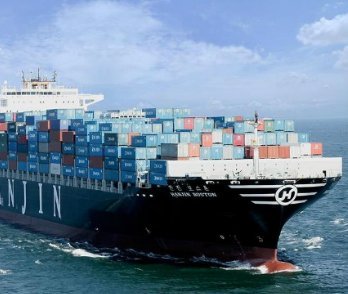
A significant number of our clients are based in Sri Lanka, making it a vital logistics market for our operations in South Asia. Prime Freight Net holds long-term agreements with top carriers such as COSCO, OOCL, APL, EMC, MSK, and HMM. These partnerships enable us to offer highly competitive shipping rates for all major Sri Lankan ports, including Colombo and Hambantota.
Partnering with Prime Freight Net streamlines your shipments from China to Sri Lanka. Our experienced team handles every step—from pickup and export procedures to customs clearance and final delivery. We are committed to being your most reliable freight forwarding partner on the China–Sri Lanka route. Request a competitive quote today.
Prime Freight Net provides reliable and cost-effective ocean freight services linking China to major Sri Lankan ports, including Colombo and Hambantota. Through established collaborations with leading carriers such as COSCO, OOCL, APL, EMC, MSK, and HMM, we offer competitive rates and secure container availability. Whether shipping textiles, machinery, electronics, construction materials, or general cargo, our ocean freight solutions ensure smooth, timely, and efficient delivery across Sri Lanka.

For urgent, high-value, or time-sensitive shipments, Prime Freight Net provides fast and secure air freight services from China to Sri Lanka. We coordinate optimal flight connections to Bandaranaike International Airport (CMB) and Mattala Rajapaksa International Airport (HRI). Our team manages every step of the process—from cargo pickup and export documentation to customs clearance and final delivery—guaranteeing reliable, timely transportation for e-commerce parcels, medical supplies, electronics, and other critical business shipments.

Our door-to-door service provides a fully managed, end-to-end logistics solution for shipments to Sri Lanka. Prime Freight Net oversees every stage—from collection at Chinese factories, export documentation, and ocean or air transport, to customs clearance in Sri Lanka and final delivery to cities including Colombo, Kandy, Galle, Jaffna, and beyond. With full shipment tracking and meticulous operational oversight, we guarantee a smooth, hassle-free delivery experience from origin to destination.

Prime Freight Net offers full-container-load (FCL) shipping with secured carrier agreements and assured container availability. We manage container booking, loading supervision, export documentation, ocean transit, and port operations in Sri Lanka. FCL services are ideal for large-volume cargo—including furniture, machinery, raw materials, vehicles, and commercial goods—requiring safe, reliable, and consistent transport.
For shipments that do not require a full container, our Less-than-Container-Load (LCL) service provides a flexible and cost-efficient alternative. Cargo is consolidated at major Chinese ports and transported on reliable, scheduled sailings to Sri Lanka. We handle consolidation, documentation, customs clearance, and final delivery, making LCL perfect for small to medium-sized businesses, mixed-product shipments, and importers seeking affordable logistics without the need for an entire container.
Prime Freight Net will provide most fuel efficient pickup service China
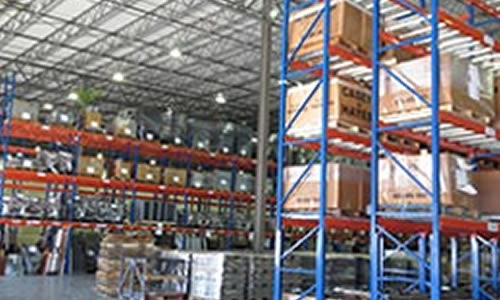
We provide free warehousing services for any of your goods.
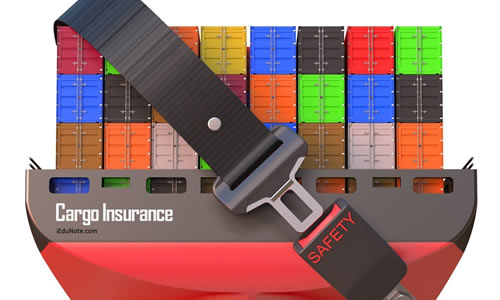
The cargo insurance protects your goods all the way to any Any FBA Warehouse

We handle all paperwork and other details for you.
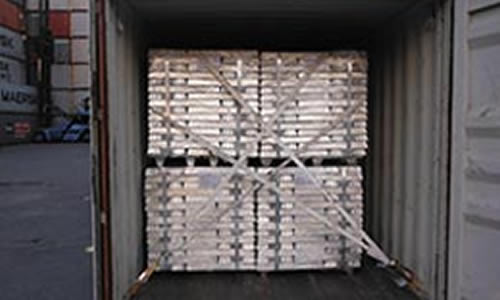
Ensure safe packaging and loading of goods in your suppliers' factory.
The primary shipping methods from China to Sri Lanka include sea freight, air freight, and rail freight. Sea freight is cost-effective for large volumes but slower, taking 20-30 days. Air freight offers faster delivery, typically within 5-10 days, but is more expensive. Rail freight is less common but can be a viable alternative depending on the specific logistics and needs.
Several factors influence shipping costs, including the method of transport (sea or air), shipment size and weight, distance, and the urgency of delivery. Additional costs can arise from customs duties, handling fees, and insurance. Choosing the right freight forwarder and optimizing packaging can help manage and potentially reduce costs.
To track your shipment, use tracking tools provided by your freight forwarder or carrier. Most services offer online tracking systems where you can input your tracking number to view real-time updates. Additionally, you can contact your freight forwarder directly for status updates and detailed information on your shipment's location.
Essential customs documentation includes a commercial invoice, packing list, and bill of lading or air waybill. Depending on the type of goods, additional documents such as certificates of origin or import permits may be required. Ensuring all documentation is complete and accurate is crucial to avoid delays and compliance issues.
Sea freight transit times from China to Sri Lanka generally range from 20 to 30 days. This duration depends on the specific ports of departure and arrival, the shipping line used, and any transshipment points along the route. For more precise transit times, consult with your freight forwarder.
Yes, shipping perishable goods requires adherence to specific regulations. You must ensure proper packaging with temperature control, use appropriate documentation such as health certificates, and comply with import regulations for perishable items. Choosing a freight forwarder experienced in handling perishable goods is essential to ensure compliance and timely delivery.
If your shipment is delayed, first check the tracking system provided by your freight forwarder for updates. If you need further assistance, contact your freight forwarder directly to inquire about the delay. They can provide information on the current status, potential reasons for the delay, and any necessary steps to resolve the issue.
Selecting the best freight forwarder involves evaluating their reputation, experience with routes to Sri Lanka, and customer reviews. Ensure they offer comprehensive services, including customs clearance, tracking, and reliable delivery times. Request quotes from multiple forwarders to compare pricing and services before making a decision.
Common challenges include navigating customs regulations, managing shipping delays, and dealing with port congestion. Ensuring accurate documentation and understanding local regulations can help mitigate these issues. Collaborating with experienced freight forwarders can also ease the process and address potential challenges effectively.
To minimize shipping costs, consider optimizing shipment size and weight, choosing the most cost-effective transportation method, and negotiating rates with freight forwarders. Efficient packaging and consolidating shipments can also reduce costs. Additionally, maintaining a good relationship with your forwarder can lead to better rates and service options.
Code Quality is well structured and maintainable, with readable logic and consistent conventions. Components are organized clearly, which supports scalability and collaboration. Error handling and documentation are generally adequate. Increasing automated tests and modular depth would add strength, but the overall implementation is solid and professional.
Customer Support is responsive and professional, offering clear guidance and timely follow-up. Questions are handled with patience and technical understanding. Communication channels are convenient and issues are usually resolved efficiently. Faster response during busy periods would be beneficial, but overall the support experience is dependable and reassuring.
Design Quality is polished and user-centered, with a clean layout and consistent visual language. Navigation is intuitive and elements are well balanced, improving usability. Typography and spacing enhance readability. Minor visual refinements could further elevate the interface, but overall the design feels modern and thoughtfully crafted.