Many of our long-standing clients are based in Japan, making it one of our most significant markets. Prime Freight Net has established strong contract-rate agreements with leading global carriers—including COSCO, OOCL, APL, EMC, Maersk, and HMM—enabling us to offer highly competitive freight rates for shipments from China to all major Japanese ports such as Tokyo, Yokohama, Osaka, Nagoya, Kobe, and Fukuoka.
Partnering with Prime Freight Net makes shipping goods from China to Japan simple, efficient, and fully managed. Just entrust your cargo to us—we take care of everything, including documentation, customs clearance, freight coordination, and final delivery. Our mission is to be your most dependable and trusted freight forwarder from China to Japan, providing seamless service and excellent value.
Request a competitive quote today and enjoy hassle-free logistics with Prime Freight Net.
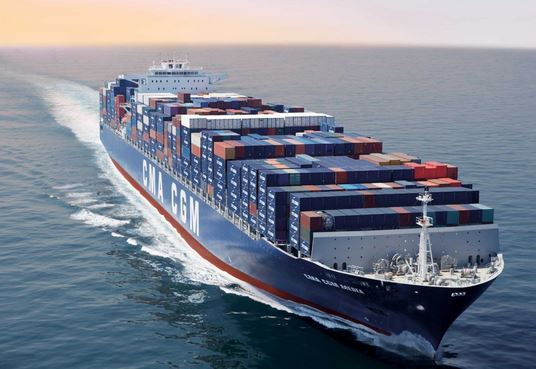
Prime Freight Net provides dependable and economical sea freight services from China to Japan, supported by established carrier partnerships and frequent sailings. Japan’s key ports—including Tokyo, Yokohama, Osaka, Kobe, Nagoya, and Fukuoka—offer excellent connectivity for both commercial and industrial cargo. Sea freight is the optimal choice for large-volume shipments such as machinery, electronics, automotive parts, textiles, household goods, and retail inventory. We handle container bookings, export documentation, customs procedures, and final delivery across Japan. With both FCL and LCL options available, our sea freight service ensures predictable transit times and competitive pricing for all shipment sizes.
Prime Freight Net delivers swift and secure air freight solutions to Japan, offering daily or high-frequency flights from major Chinese airports to key Japanese gateways including Tokyo Narita (NRT), Haneda (HND), Osaka Kansai (KIX), Nagoya Chubu (NGO), and Fukuoka (FUK).
With typical transit times of 1–4 days, our air freight service is ideal for urgent, high-value, or time-sensitive cargo such as electronics, pharmaceutical goods, fashion items, samples, and e-commerce shipments. We provide shipment consolidation, export preparation, customs clearance support, and real-time tracking to guarantee reliable, rapid delivery throughout Japan.
Prime Freight Net simplifies logistics with comprehensive door-to-door shipping services from China to Japan. From factory collection to final delivery at your warehouse, business address, or Amazon FBA location (e.g., FBA Tokyo, Osaka, Nagoya), we manage every step with precision.
Our door-to-door service is ideal for importers who require a hands-off logistics experience. We assist with export procedures, ocean or air transport, Japanese customs clearance, tax handling, warehousing solutions, and last-mile distribution. Whether shipping small parcels or full loads, we ensure a seamless, transparent, and reliable end-to-end process.
Prime Freight Net offers reliable FCL (Full Container Load) shipping solutions for businesses transporting large volumes of cargo from China to Japan. Utilizing our contract rates with top carriers, we guarantee consistent space availability and highly competitive pricing.
Key advantages of FCL shipping:
FCL shipping is ideal for wholesalers, manufacturers, large retailers, and distributors who require stable and secure container transport.
Prime Freight Net provides flexible LCL (Less than Container Load) services for smaller shipments that don’t require a full container. LCL is cost-effective, dependable, and supported by weekly consolidation from major Chinese ports to Japan.
Benefits of LCL shipping:
LCL shipping is perfect for SMEs, e-commerce sellers, sample shipments, and mixed cargo destined for Japan.
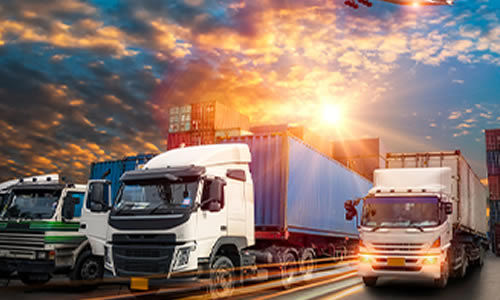
Prime Freight Net will provide most fuel efficient pickup service China
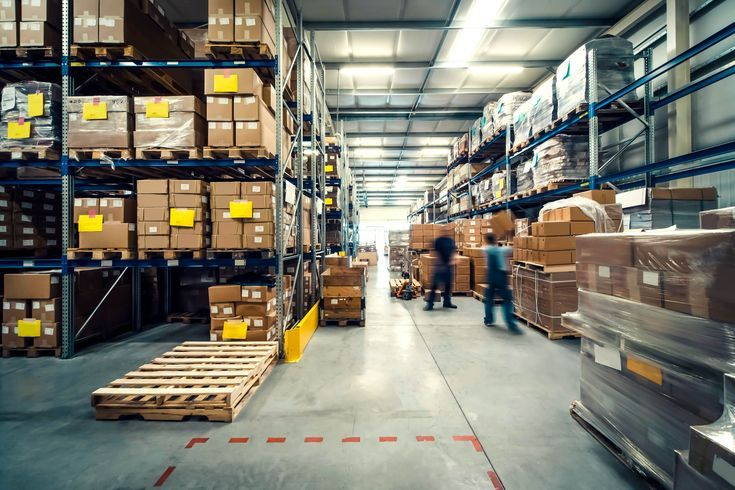
We provide free warehousing services for any of your goods.
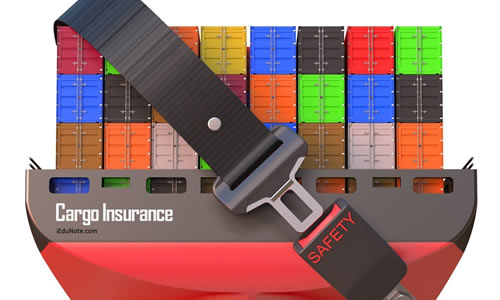
The cargo insurance protects your goods all the way to any Any FBA Warehouse
We handle all paperwork and other details for you.
Ensure safe packaging and loading of goods in your suppliers' factory.
The most common shipping methods from China to Japan are sea freight and air freight. Sea freight is cost-effective for larger shipments and typically takes 4 to 8 days. Air freight, although more expensive, is faster, with delivery times ranging from 1 to 3 days. Each method has its advantages depending on the urgency and volume of the shipment.
Customs procedures can significantly affect shipping time from China to Japan. Proper documentation and compliance with both countries' regulations are crucial for smooth clearance. Delays in customs inspections, missing paperwork, or non-compliance can extend the shipping time. Working with experienced freight forwarders can help streamline this process.
Several factors influence the cost of shipping from China to Japan, including the shipping method (air or sea), the weight and volume of the shipment, and the distance between ports. Additional costs may include insurance, customs fees, and handling charges. Choosing the right freight forwarder can help optimize costs based on your specific needs.
Yes, shipping from China to Japan can be tracked. Most freight forwarders and carriers provide tracking services that allow you to monitor your shipment's progress in real time. This helps you stay informed about its location and estimated delivery time, enhancing transparency and allowing for prompt action if issues arise.
Air freight offers several advantages over sea freight, including faster delivery times, typically ranging from 1 to 3 days compared to 4 to 8 days by sea. It also reduces the risk of damage and theft due to less handling and transit time. However, air freight is more expensive, so it's ideal for urgent or high-value shipments.
The size and weight of a shipment can impact delivery time. Larger and heavier shipments may require more time for handling and transport, especially by air. Sea freight can accommodate larger volumes but might have longer transit times. For faster delivery, consider using air freight for smaller or urgent shipments.
If your shipment is delayed, first check the tracking information provided by your freight forwarder or carrier. Contact them to understand the reason for the delay and get updated estimates for delivery. Ensuring that all customs documentation and shipping instructions are accurate can also help resolve issues promptly.
To minimize shipping costs, consider consolidating shipments to reduce volume and weight, choose sea freight for non-urgent deliveries, and negotiate rates with your freight forwarder. Additionally, accurate documentation and avoiding last-minute changes can help prevent additional fees and charges.
Customs fees for shipping from China to Japan vary based on the value and nature of the goods. Fees can include import duties, taxes, and handling charges. To get an accurate estimate, consult with your freight forwarder or customs broker, who can provide detailed information based on your specific shipment.
Required documentation for shipping goods from China to Japan includes a commercial invoice, packing list, bill of lading or air waybill, and any necessary certificates of origin or compliance. Ensuring that all documents are complete and accurate helps facilitate smooth customs clearance and avoids delays.
Code Quality is well structured and maintainable, with readable logic and consistent conventions. Components are organized clearly, which supports scalability and collaboration. Error handling and documentation are generally adequate. Increasing automated tests and modular depth would add strength, but the overall implementation is solid and professional.
Design Quality is polished and user-centered, with a clean layout and consistent visual language. Navigation is intuitive and elements are well balanced, improving usability. Typography and spacing enhance readability. Minor visual refinements could further elevate the interface, but overall the design feels modern and thoughtfully crafted.
Customer Support is responsive and professional, offering clear guidance and timely follow-up. Questions are handled with patience and technical understanding. Communication channels are convenient and issues are usually resolved efficiently. Faster response during busy periods would be beneficial, but overall the support experience is dependable and reassuring.