Shipping from China to Guinea
Multimodal Ocean & Air Linehaul · Turnkey Door-to-Door Delivery

Shipping from China to Guinea

Partnering with Prime Freight Net simplifies shipping from China to Guinea—just entrust your cargo to us, and we take care of the rest. Prime Freight Net is dedicated to being your leading freight forwarder from China to Guinea, providing reliable, efficient, and cost-effective logistics solutions tailored to your needs. Prime Freight Net provides reliable and economical sea freight services from China to Guinea, with direct routes to key ports including Conakry and Kamsar. We offer both FCL and LCL options customized to your cargo volume and budget. Through established partnerships with leading carriers, we guarantee competitive rates, consistent sailing schedules, and professional cargo handling from origin to destination.

2026 Route Benchmark · China → Guinea Tier-1 Direct Space
Sea Port-to-Port: 25 - 38 Days
Direct Air Cargo: 4 - 8 Days
Customs Terms: DDP / DAP / FOB
Destination Demurrage: 7-14 Days Free
Ocean tariffs update bi-weekly based on bunker indices. Check Live Spot Rates →

China–Guinea Route Specs

  • Sea Freight Port-to-Port: 25 - 38 Days.
  • Direct Air Cargo Velocity: 4 - 8 Days via schedule.
  • Primary Gateways: Base Destination Container Port.
  • Customs Administration: Turnkey Customs Clearance, Import Tariffs & Border Declarations.
Questions about Guinea customs duties? +86-18928445749
25 Days Fastest Ocean Transit
4 Days Air Cargo Velocity
100% Turnkey DDP Coverage
28 Days Free Warehouse Staging
WHAT WE DO · SERVICES

Specialized Freight Solutions from China to Guinea

Engineered shipping alternatives customized to your specific cargo volume and transit timeline requirements.

Sea Freight From China To Guinea Cost Leader

Sea Freight From China To Guinea

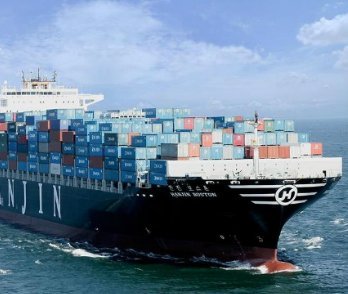
Prime Freight Net provides reliable and economical sea freight services from China to Guinea, with direct routes to key ports including Conakry and Kamsar. We offer both FCL and LCL options customized to your cargo volume and budget. Through established partnerships with leading carriers, we guarantee competitive rates, consistent sailing schedules, and professional cargo handling from origin to destination.

Inquire Sea Freight

Air Freight From China To Guinea Fastest Air

Air Freight From China To Guinea

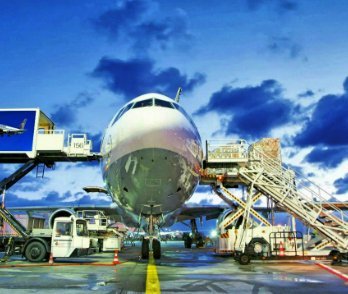
For urgent or high-value shipments, Prime Freight Net delivers swift and adaptable air freight solutions to Conakry International Airport (CKY). We determine the most suitable airline based on your delivery schedule and cargo profile, ensuring efficient customs clearance, secure handling, and timely delivery within Guinea.

Inquire Air Freight
Door to Door Shipping from China to Guinea Turnkey DDP

Door to Door Shipping from China to Guinea

Prime Freight Net provides comprehensive door-to-door logistics solutions from China to Guinea. We manage supplier collection, export procedures, international transport, customs assistance, and final delivery to Conakry, Kamsar, Labé, Nzérékoré, and other destinations. Our team guarantees a seamless, stress-free shipping experience from start to finish.

Inquire Door to Door

FCL Shipping from China To Guinea

Full Container Load · 20GP, 40GP & 40HQ

FCL (Full Container Load) is the ideal solution for high-volume shipments headed to Guinea. With Prime Freight Net, you enjoy:

Lock FCL Contract Rate

LCL Shipping from China To Guinea

Consolidated Shared Groupage · Starting from 1 CBM

FCL (Full Container Load) is the ideal solution for high-volume shipments headed to Guinea. With Prime Freight Net, you enjoy:

Get LCL Consolidation Quote
MORE SERVICES

Comprehensive Value-Added Support for Guinea Shipments

Complete suite of port-side and warehouse preparation services customized to streamline your imports.

Pickup and Delivery in China

Pickup and Delivery

Prime Freight Net offers fuel-efficient nationwide pickup coverage across Chinese factories.

Warehousing Solutions

Warehousing

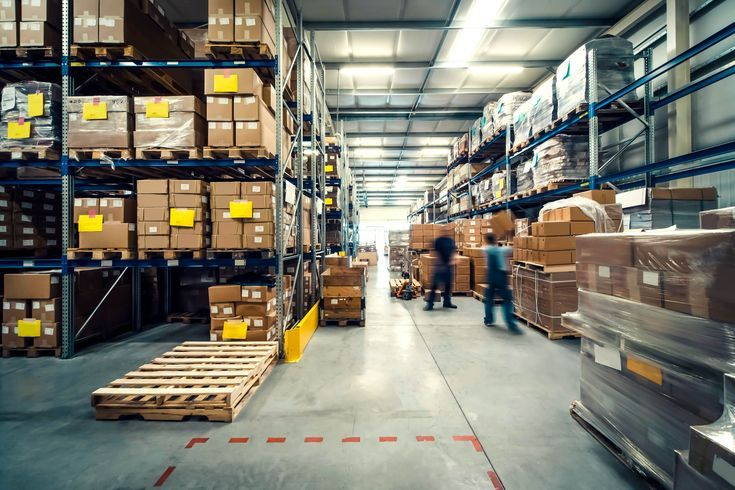
We provide free warehousing services for your goods with 28 days of complimentary consolidation storage.

Cargo Insurance

Cargo Insurance

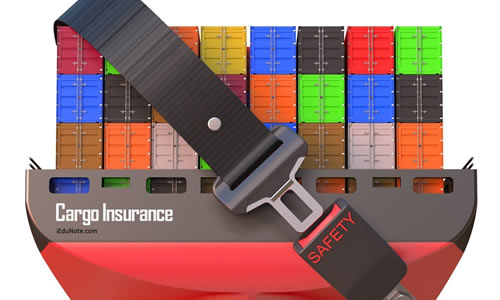
110% CIF comprehensive cargo insurance protecting your goods against transit risks to any warehouse.

Customs Clearance

Custom Clearance

Complete paperwork management, export declarations, and Guinea destination customs clearance.

Loading Inspection

Loading Inspection

Ensure safe packaging, pallet integrity, and verified loading at your suppliers' facilities.

SERVICE ADVANTAGE

Your Best Freight Forwarder from China to Guinea

Depend on Prime Freight Net to manage your shipments with verified dependability, cost control, and full operational transparency.

  • Offer top ocean freight services from China to Guinea
  • Deliver competitive air freight options from China to Guinea
  • Provide expert customs clearance services in China
  • Offer complimentary warehouse facilities and tailored loading solutions
  • Ensure thorough container loading supervision
  • Provide reliable pickup and delivery services within China
  • Offer 24/7 online customer support
Ask Our Best Rates

Professional China–Guinea Logistics Handling

Dedicated operations ensuring smooth container gate-in, airway dispatch, and customs release.

WHAT CUSTOMERS ALSO WANT TO KNOW

Shipping from China to Guinea: The Ultimate FAQ Guide

Essential guidance on ocean freight transit windows, air cargo velocity, customs regulations, and landed cost optimization.

01 How long does it take to ship from China to Guinea?

Shipping times from China to Guinea can vary depending on several factors, including the shipping method, carrier, and any potential delays. Generally, for air freight, it may take around 7-14 days, while sea freight can take longer, ranging from several weeks to over a month.

Factors influencing shipping times include:

  1. Shipping Method: Air freight is typically faster but more expensive than sea freight. Sea freight may take longer due to the transit time required for maritime shipping.

  2. Carrier: Different shipping companies have varying schedules and routes, affecting overall shipping time.

  3. Customs Clearance: Customs procedures at both the origin and destination ports can add time to the shipping process.

  4. Distance and Route: The distance between China and Guinea, as well as the specific route taken by the shipping vessel or aircraft, can impact transit times.

  5. Infrastructure and Logistics: The efficiency of ports, transportation infrastructure, and local logistics in Guinea can also affect shipping duration.

For precise estimates, it's advisable to consult with shipping companies or freight forwarders experienced in shipping to Guinea, as they can provide tailored information based on your specific requirements and circumstances.

02 How much does it cost to ship from China to Guinea?

The cost of shipping from China to Guinea can vary based on several factors such as the shipping method, shipping company, package weight and dimensions, shipping speed, and any additional services required. Additionally, customs duties and taxes in Guinea may also impact the overall cost of shipping.

To obtain an accurate quote for shipping to Guinea, it's recommended to contact shipping companies or freight forwarders directly. They can provide you with pricing based on your shipment's specific details and requirements.

Keep in mind that shipping to certain regions may involve additional paperwork, customs procedures, and potential delays, all of which can affect the overall cost of shipping.

03 How to ship from China to Guinea?

Shipping from China to Guinea involves several steps. Here's a guide to help you through the process:

  1. Choose a Shipping Method: Determine the most suitable shipping method based on factors like cost, urgency, and the nature of your goods. Options include air freight, sea freight, or courier services like DHL, FedEx, or UPS.

  2. Prepare Your Goods for Shipment: Ensure your goods are properly packaged to withstand transit. Follow any specific packaging requirements for your chosen shipping method.

  3. Documentation: Prepare all necessary documentation, including commercial invoices, packing lists, and any other paperwork required for customs clearance. Make sure all documents are completed accurately and completely.

  4. Customs Clearance: Familiarize yourself with Guinea's import regulations and customs procedures. Work with a customs broker or freight forwarder if needed to facilitate smooth customs clearance.

  5. Shipping Insurance: Consider purchasing shipping insurance to protect your goods against loss or damage during transit.

  6. Choose a Freight Forwarder: If you're not familiar with international shipping procedures, consider working with a freight forwarder who can manage the logistics of your shipment from China to Guinea.

  7. Track Your Shipment: Utilize the tracking information provided by your chosen shipping carrier or freight forwarder to monitor the progress of your shipment.

  8. Delivery: Coordinate with your recipient in Guinea to ensure smooth delivery of the goods once they arrive. Provide them with any necessary tracking information and documentation.

  9. Follow Up: After delivery, follow up with your recipient to confirm they have received the goods in good condition and are satisfied with the transaction.

By following these steps and collaborating with reliable shipping partners, you can successfully ship goods from China to Guinea. Stay informed about any changes in regulations or procedures that may affect your shipment.

04 How to arrange air freight from China to Guinea?

Arranging air freight from China to Guinea involves several steps. Here's a general guide:

  1. Prime Freight Net: Start by researching freight forwarders that specialize in air cargo shipments from China to Guinea. Look for companies with experience in this route and positive reviews from previous clients.

  2. Contact Freight Forwarders: Reach out to multiple freight forwarders to request quotes and gather information about their services. Provide details about your cargo, including dimensions, weight, origin, and destination.

  3. Compare Quotes: Once you've received quotes from different freight forwarders, compare them carefully. Consider factors such as price, transit time, handling capabilities, and any additional services offered.

  4. Provide Documentation: Prepare the necessary documentation for your shipment, including the commercial invoice, packing list, airway bill, and any other required paperwork. Your freight forwarder can advise you on the specific documentation needed for shipments to Guinea.

  5. Arrange Pickup: Coordinate with your chosen freight forwarder to arrange the pickup of your cargo from the supplier in China. Ensure that the cargo is properly packaged and labeled according to air freight regulations.

  6. Customs Clearance: Your freight forwarder will handle customs clearance procedures both in China and Guinea. Make sure to provide accurate information and documentation to avoid delays or complications during customs clearance.

  7. Track Shipment: Stay in touch with your freight forwarder to track the progress of your shipment. Most freight forwarders provide online tracking systems that allow you to monitor the status of your cargo in real-time.

  8. Delivery and Receiving: Once your cargo arrives in Guinea, your freight forwarder will arrange for final delivery to your desired destination. Make sure to have arrangements in place to receive the shipment and clear it through customs if necessary.

  9. Review and Feedback: After the shipment is delivered, take some time to review the overall process with your freight forwarder. Provide feedback on their services and communication to help improve future shipments.

By following these steps and working closely with your chosen freight forwarder, you can successfully arrange air freight from China to Guinea.

05 How to arrange sea shipping from China to Guinea?

Arranging sea shipping from China to Guinea involves several steps. Here's a general outline of the process:

  1. Find a Freight Forwarder: Start by researching and contacting freight forwarding companies that specialize in shipping from China to Guinea. These companies will handle the logistics of your shipment, including documentation, customs clearance, and transportation.

  2. Get Quotes: Reach out to multiple freight forwarders to get quotes for your shipment. Provide details such as the type of goods, volume, weight, and desired delivery timeframe.

  3. Choose a Shipping Method: Select the most suitable shipping method for your needs. Options may include Full Container Load (FCL) or Less than Container Load (LCL). FCL is recommended if you have enough cargo to fill a container, while LCL is suitable for smaller shipments.

  4. Provide Documentation: Prepare all necessary documentation for your shipment, including commercial invoices, packing lists, bill of lading, and any required permits or licenses.

  5. Arrange Pickup and Delivery: Coordinate the pickup of your goods from the supplier in China and arrange for delivery to the port of departure. Your freight forwarder can assist with this process.

  6. Customs Clearance: Your freight forwarder will handle customs clearance procedures in both China and Guinea. Make sure all required documentation is in order to avoid delays.

  7. Track Your Shipment: Stay in communication with your freight forwarder to track the progress of your shipment. They should provide updates on the location and estimated arrival time of your goods.

  8. Receive Shipment: Once your shipment arrives at the port in Guinea, arrange for clearance and delivery to your final destination.

It's important to work with experienced and reputable freight forwarders to ensure a smooth shipping process and timely delivery of your goods. Additionally, be aware of any regulations or restrictions related to importing goods into Guinea to avoid any compliance issues.

06 When to use air shipping from China to Guinea?

Air shipping from China to Guinea is typically used when:

  1. Urgency: If your shipment needs to reach Guinea quickly, air shipping is the best option. Air freight generally has much shorter transit times compared to sea freight.

  2. High-Value Goods: For high-value goods that require fast and secure transportation, air shipping offers better security and reduced risk of damage or theft compared to sea shipping.

  3. Perishable Goods: Perishable goods such as fresh produce, seafood, or pharmaceuticals require rapid delivery to maintain their quality. Air shipping ensures these items reach their destination quickly and in optimal condition.

  4. Small Shipments: If you have a small volume of goods to ship, air freight may be more cost-effective than sea freight, especially when considering the faster transit time and lower inventory holding costs.

  5. Just-in-Time Inventory: If you operate on a just-in-time inventory model and need to replenish stock quickly, air shipping allows for rapid turnaround times and helps minimize inventory shortages.

  6. Seasonal Demand: During peak seasons or times of increased demand, air shipping can help expedite deliveries and ensure your products reach customers on time.

  7. Supply Chain Disruptions: In cases of unexpected disruptions such as port strikes, natural disasters, or political unrest, air shipping provides a reliable alternative to keep your supply chain running smoothly.

However, it's important to note that air shipping is generally more expensive than sea shipping, especially for large or heavy shipments. Therefore, it's essential to carefully evaluate the cost-effectiveness and urgency of your shipment before choosing air freight. Additionally, consider factors such as cargo size, weight, and specific delivery requirements when deciding between air and sea shipping options.

07 How much tax/duty do I need to pay when importing from China to Guinea?

The amount of tax and duty you need to pay when importing goods from China to Guinea depends on several factors, including the type of goods, their value, and any applicable trade agreements or tariffs between the two countries. Here's a general overview of the taxes and duties that may apply:

  1. Customs Duty: Guinea imposes customs duties on imported goods, and the rates vary depending on the type of product. These duties are typically calculated as a percentage of the customs value of the goods.

  2. Value Added Tax (VAT): Guinea also imposes a VAT on imported goods, which is calculated as a percentage of the customs value plus the customs duty payable. The standard VAT rate in Guinea is 18%, but certain goods may be subject to different rates or exemptions.

  3. Excise Duty: Some goods, such as alcohol, tobacco, and certain luxury items, may be subject to excise duty in addition to customs duty and VAT.

  4. Other Fees and Charges: In addition to customs duty, VAT, and excise duty, you may also need to pay other fees and charges, such as customs clearance fees, inspection fees, and administrative charges.

It's important to note that the exact amount of taxes and duties payable can vary based on the specific details of your shipment, including the nature of the goods, their value, and any preferential trade agreements that may apply. Additionally, customs regulations and tariff rates are subject to change, so it's advisable to consult with a qualified customs broker or freight forwarder for the most up-to-date information a

08 When should I choose LCL or FCL when shipping from China to Guinea?

When deciding between Less than Container Load (LCL) and Full Container Load (FCL) shipping from China to Guinea, consider the following factors:

  1. Volume of Goods: If you have enough goods to fill a standard shipping container (usually 20 or 40 feet), FCL may be more cost-effective. However, if your shipment doesn't fill a full container, opting for LCL allows you to share container space with other shippers, potentially reducing costs.

  2. Frequency of Shipments: If you frequently ship large volumes of goods, establishing regular FCL shipments may offer consistency and efficiency. On the other hand, if your shipment volumes vary or are smaller, LCL provides flexibility without committing to full container loads.

  3. Cargo Nature and Fragility: Fragile or high-value goods may benefit from FCL shipping, as it reduces the handling and potential damage associated with sharing container space. LCL shipments involve more handling and consolidation/deconsolidation processes, which may increase the risk of damage, especially for delicate items.

  4. Transit Time: Generally, FCL shipments tend to have shorter transit times compared to LCL shipments since they involve fewer stops for consolidation and deconsolidation. If speed is a priority, FCL might be preferable.

  5. Cost Considerations: While FCL shipping can be more cost-effective for larger shipments, LCL shipping allows you to pay only for the space you need, making it a cost-efficient option for smaller volumes. However, keep in mind that LCL shipments may incur additional handling and consolidation fees.

  6. Customs Clearance: Both LCL and FCL shipments require customs clearance procedures. If you're shipping goods with varying HS codes or if your goods require specific customs procedures, consider how this might affect your choice between LCL and FCL.

Ultimately, the decision between LCL and FCL shipping depends on the specific requirements of your shipment, including volume, frequency, nature of goods, transit time considerations, and cost constraints. Consulting with a freight forwarder or logistics expert can help you determine the most suitable shipping method for your needs when transporting goods from China to Guinea.

09 How do I track my shipment when shipping from China to Guinea?

Tracking your shipment when shipping from China to Guinea typically involves the following steps:

  1. Tracking Number: Obtain the tracking number from your freight forwarder or shipping company. This number is unique to your shipment and is essential for tracking its progress.

  2. Online Tracking: Most freight forwarders and shipping companies provide online tracking services on their websites. Visit the website of your chosen carrier and locate the section for tracking shipments.

  3. Enter Tracking Number: Enter your shipment's tracking number into the designated field on the carrier's website. Follow the prompts to initiate the tracking process.

  4. Monitor Shipment Progress: Once you've entered the tracking number, the carrier's website should provide real-time updates on your shipment's progress. You can track its location, estimated arrival time, and any relevant status updates.

  5. Contact Carrier: If you encounter any issues or have questions about your shipment's status, don't hesitate to contact the carrier directly. Customer service representatives can provide assistance and address any concerns you may have.

  6. Customs Clearance Updates: Keep in mind that there may be delays or updates related to customs clearance procedures in both China and Guinea. Your freight forwarder or shipping company should keep you informed of any relevant customs-related developments.

  7. Delivery Confirmation: Once your shipment arrives in Guinea and is delivered to its final destination, you should receive confirmation from your freight forwarder or shipping company. This confirmation may include proof of delivery and any relevant documentation.

By following these steps and utilizing the tracking services provided by your chosen carrier, you can effectively monitor the progress of your shipment when shipping from China to Guinea.

10 What documents are needed to ship from China to Guinea?

When shipping goods from China to Guinea, several documents are typically required to facilitate customs clearance and ensure the smooth transit of your shipment. The exact documentation may vary depending on the nature of the goods, the shipping method, and any specific requirements imposed by customs authorities. Here are the common documents needed:

  1. Commercial Invoice: This document provides details about the goods being shipped, including descriptions, quantities, values, and the parties involved in the transaction (buyer and seller). It is used for customs declaration and valuation purposes.

  2. Packing List: A packing list itemizes the contents of each package or container in the shipment, including details such as weights, dimensions, and packaging materials. It helps customs officials verify the contents of the shipment and ensure compliance with import regulations.

  3. Bill of Lading (B/L): The bill of lading is a contract between the shipper and the carrier that serves as a receipt for the goods and evidence of the agreement to transport them. It includes details about the shipment, such as the consignor, consignee, shipping route, and terms of carriage.

  4. Certificate of Origin: This document certifies the country of origin of the goods and may be required for customs clearance and to determine eligibility for preferential trade agreements or tariff benefits.

  5. Export License (if applicable): Certain goods may require an export license or permit from the Chinese authorities before they can be shipped internationally. Check whether your goods fall into a category that requires such documentation.

  6. Customs Declaration Form: This form provides information about the goods being shipped, their value, and other relevant details required by customs authorities in both China and Guinea.

  7. Insurance Certificate (if applicable): If you have purchased insurance coverage for your shipment, you may need to provide an insurance certificate or policy document as proof of coverage.

  8. Additional Documentation: Depending on the nature of the goods and any specific requirements imposed by customs authorities in Guinea, additional documentation may be necessary. This could include certificates of compliance, sanitary certificates, phytosanitary certificates (for agricultural products), or other relevant permits or licenses.

It's essential to work closely with your freight forwarder or shipping agent to ensure that you have all the necessary documentation in order and that it meets the requirements of both the Chinese and Guinean customs authorities. Failure to provide the required documentation accurately and promptly could result in delays, additional fees, or even the refusal of entry for your shipment.

International Trade Terminology (Incoterms Compliance):
We coordinate turnkey origin pickup, customs declarations, and destination port delivery under EXW, FOB, FCA, CPT, CIP, DAP, DPU, and DDP terms into Guinea. Check our Incoterms Rules Guide for risk allocation details.
CLIENT TESTIMONIALS

What Importers Say About Our China–Guinea Freight Service

Real feedback from verified global trade partners and B2B importers.

Verified Importer

"Consolidating shipments from three different factories in Ningbo and Shenzhen was completely hassle-free. Prime Freight Net provided 28 days of free warehouse staging, inspected our pallet packaging, and shipped our LCL cargo to Guinea with zero unexpected destination charges."

Verified Importer

"We regularly move 40HQ containers from Shanghai and Shenzhen to Guinea. Their direct contracts with COSCO and Evergreen guaranteed vessel space even during peak quarters. Export clearance and destination customs documents were handled with zero delays."

Verified Importer

"Prime Freight Net manages our supply chain into Guinea under turnkey DDP terms. All import taxes, clearance formalities, and final warehouse deliveries are completely coordinated without requiring our daily intervention. Very responsive operations team."

GET ANYTYPE QUOTE FROM HERE.

Connect directly with our dedicated Guinea line pricing desk. Receive locked freight rates and guaranteed departures within 1 business hour.