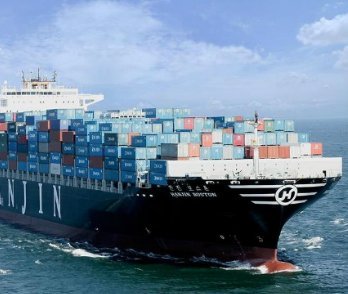
At Prime Freight Net, we specialize in delivering fast, secure, and reliable cargo shipping services from China to Nigeria. Our professional team ensures a unified logistics process, managing every stage from cargo handling and packaging to customs clearance and final delivery with precision. Utilizing extensive industry expertise and advanced digital systems, we provide efficient, timely shipments tailored to your specific requirements.
Whether you are shipping commercial goods or personal effects, Prime Freight Net serves as your trusted logistics partner for all China-to-Nigeria transport needs. We are committed to achieving excellence with every shipment and offering you complete assurance through our expert, customer-focused solutions. Benefit from dependable service and seamless international shipping with Prime Freight Net.
We offer competitive ocean freight rates and reliable shipping services for moving goods from China to Nigeria. Prime Freight Net guarantees smooth coordination and regular sailing schedules to major ports such as Lagos, Tin Can Island, and Port Harcourt, ensuring cost-effective and dependable delivery for diverse cargo categories.
We identify the most suitable airline based on your required delivery timeline and cost parameters. Prime Freight Net provides swift, secure, and expert air cargo services from China to Nigeria, guaranteeing timely arrival at Lagos, Abuja, or other specified destinations with reliable handling across the entire transit.
We provide a comprehensive door-to-door shipping solution for businesses and individuals moving goods from China to Nigeria. Our service includes cargo pickup, export documentation, customs clearance, and final delivery—ensuring a simplified, efficient, and hassle-free logistics experience with Prime Freight Net.
Prime Freight Net provides reliable and cost-effective FCL (Full Container Load) services for shipments from China to Nigeria. Leveraging established carrier alliances, we offer regular weekly sailings to all major Nigerian ports. Our specialists oversee every stage—from collection and container loading to export documentation, customs clearance, and inland transportation—delivering a secure and streamlined solution ideally suited for bulk shipments and large-volume cargo.
Prime Freight Net offers efficient and economical LCL (Less than Container Load) shipping from China to Nigeria. Your goods are consolidated in our secure warehousing facilities and shipped via dependable schedules to primary Nigerian ports. We also manage clearance and final delivery, establishing LCL as the ideal choice for small-to-medium businesses, mixed cargo, and lower-volume shipments seeking reliability at a lower cost.
Prime Freight Net will provide most fuel efficient pickup service China
We provide free warehousing services for any of your goods.
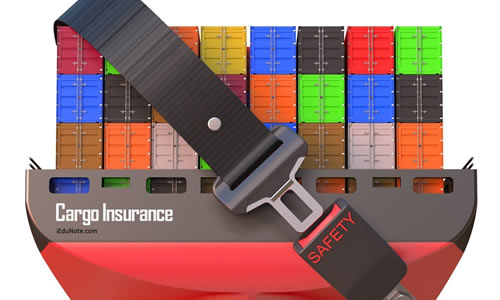
The cargo insurance protects your goods all the way to any Any FBA Warehouse
We handle all paperwork and other details for you.
Ensure safe packaging and loading of goods in your suppliers' factory.
The common shipping methods from China to Nigeria include air freight, sea freight, and rail transport. Air freight is faster but more expensive, suitable for high-value or urgent shipments. Sea freight is cost-effective for large volumes and heavier cargo but takes longer. Rail transport, though less common, offers a middle ground between cost and time.
To select a reliable freight forwarder, check their experience in handling shipments to Nigeria, read customer reviews, and verify their licensing and insurance coverage. A good forwarder should offer transparent pricing, excellent customer support, and expertise in navigating both Chinese and Nigerian logistics and customs regulations.
Essential documents for importing include the commercial invoice, packing list, bill of lading, certificate of origin, and import declaration forms. Ensure all documents are accurate and complete to facilitate smooth customs clearance. Additional documents may be required depending on the product type and Nigerian regulations.
To insure your goods, request coverage from your freight forwarder or purchase a separate insurance policy from a reputable provider. Ensure the policy covers all potential risks, including loss, damage, and theft during transit. Verify the terms and conditions to ensure adequate protection throughout the shipping process.
Customs duties in Nigeria vary based on the product category and value. The Nigerian Customs Service applies tariffs according to the Harmonized System (HS) codes for different goods. To determine specific duties, consult the Nigerian Customs Service or use their online tariff guide for accurate calculations.
Shipping duration depends on the method used. Air freight typically takes 5-10 days, while sea freight can take 4-6 weeks. The timeframe may vary based on factors such as port congestion, customs processing, and any unforeseen delays in transit.
You can track your shipment using the tracking number provided by your freight forwarder or shipping carrier. Most forwarders offer online tracking systems that provide real-time updates on your cargo’s location and status, ensuring you can monitor the progress of your shipment.
Regulations for importing electronics include compliance with Nigerian Communications Commission (NCC) standards, obtaining necessary certifications, and adhering to safety and quality requirements. Ensure your products meet Nigerian standards to avoid issues during customs clearance and potential penalties.
Features Availability is comprehensive and practical, covering most user needs with stable performance. Core functions are easy to access and consistently available. The feature set feels well planned and useful in real scenarios, though a few advanced tools could be highlighted more clearly. Overall, it provides strong functional coverage and reliability.
Code Quality is well structured and maintainable, with readable logic and consistent conventions. Components are organized clearly, which supports scalability and collaboration. Error handling and documentation are generally adequate. Increasing automated tests and modular depth would add strength, but the overall implementation is solid and professional.
Design Quality is polished and user-centered, with a clean layout and consistent visual language. Navigation is intuitive and elements are well balanced, improving usability. Typography and spacing enhance readability. Minor visual refinements could further elevate the interface, but overall the design feels modern and thoughtfully crafted.