A significant portion of our clients operate from Somalia, making it a key market for our services. We maintain long-term negotiated rates with leading carriers such as COSCO, OOCL, APL, EMC, MSK, and HMM. These strong partnerships allow us to offer highly competitive pricing for shipments from China to major Somali ports, including Mogadishu, Berbera, and Kismayo.
Working with Prime Freight Net simplifies shipping from China to Somalia—entrust your cargo to us, and we handle every step, from collection and export processing to customs clearance and final delivery. Prime Freight Net is committed to being your most reliable freight forwarding partner for shipments from China to Somalia.
Request a competitive quote today and enjoy seamless, efficient shipping solutions.
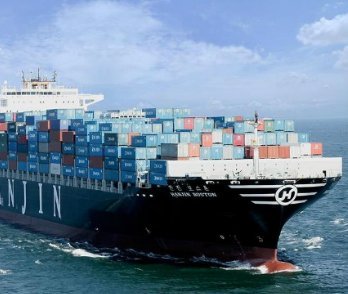
Prime Freight Net provides reliable and cost-effective ocean freight services from China to Somalia’s main ports, including Mogadishu, Berbera, and Kismayo. We offer competitive shipping rates backed by long-term carrier agreements and customized solutions tailored to your shipment’s volume and schedule. Whether handling full-container loads or smaller consignments, our team manages all export procedures, container handling, customs documentation, and port coordination—ensuring smooth and timely delivery to Somalia.
For time-sensitive or high-value shipments, Prime Freight Net provides fast and secure air freight services from major airports in China to destinations throughout Somalia.
We help you choose the most efficient airline and routing based on your cargo requirements and budget.
Our team handles export documentation, packaging guidance, customs clearance, and arrival procedures to ensure your air shipment reaches Somalia safely and on time.
Our door-to-door shipping service delivers a full end-to-end logistics solution for businesses and individuals in Somalia who prefer a single responsible partner. Prime Freight Net arranges pickup directly from factories or warehouses across China, prepares all export documentation, and organizes sea or air transport via suitable regional hubs. We then coordinate customs clearance, port or airport handling, and inland delivery to your warehouse, shop, office, project site, or residence in Somalia, subject to local security and infrastructure conditions.
For shipments large enough to fill a dedicated container, FCL shipping offers the most secure and cost-effective solution.
Partnering with Prime Freight Net ensures you receive:
Our team manages every stage—from supplier pickup and container loading to export clearance, vessel scheduling, and final delivery in Somalia.
For smaller shipments, our LCL (Less than Container Load) consolidation service allows you to share container space while reducing costs.
This solution is ideal for businesses shipping mixed goods or smaller volumes.
We ensure:
Choose Prime Freight Net for flexible and budget-friendly LCL shipping solutions.
Prime Freight Net will provide most fuel efficient pickup service China
We provide free warehousing services for any of your goods.
The cargo insurance protects your goods all the way to any Any FBA Warehouse
We handle all paperwork and other details for you.
Ensure safe packaging and loading of goods in your suppliers' factory.
Sea freight from China to Somalia typically takes between 4 and 6 weeks. This duration depends on the specific route, shipping company, and the efficiency of cargo handling. Weather conditions and port congestion can also affect the shipping time.
Air freight from China to Somalia generally takes about 7 to 14 days. This timeframe includes transportation, handling, and customs clearance. The exact duration can vary depending on flight schedules and other factors.
Yes, shipping times can be extended during holidays. During holiday periods, port and airport operations often slow down, and there may be additional delays in transportation and customs clearance.
Air freight is usually the fastest method, though it is more expensive. If time is critical and budget permits, air freight is the best option. Sea freight, while cheaper, takes longer.
Direct flights from China to Somalia are rare. Most shipments require a transfer at intermediate hubs such as Dubai or Nairobi. This can help reduce transit time and lower costs.
Shipping costs are generally based on the volume, weight of the cargo, the shipping method, and the destination port's fees. Sea freight is less expensive but takes longer, while air freight is more costly but faster.
To ensure cargo safety, choose a reputable logistics company and make sure the cargo is well-packaged. Consider insurance as well to protect against potential loss or damage during transit.
Customs clearance at Somali ports can be relatively complex and requires detailed documentation, including cargo lists, invoices, and other relevant papers. Preparing in advance and understanding local customs requirements can help reduce delays.
Yes, most logistics companies offer shipment tracking services. You can obtain real-time status updates and location information through the logistics company's website or customer service.
If you encounter issues or delays, contact the logistics company or freight forwarder immediately. Providing detailed shipment information and a description of the problem can help expedite the resolution process.
Features Availability is comprehensive and practical, covering most user needs with stable performance. Core functions are easy to access and consistently available. The feature set feels well planned and useful in real scenarios, though a few advanced tools could be highlighted more clearly. Overall, it provides strong functional coverage and reliability.
Customer Support is responsive and professional, offering clear guidance and timely follow-up. Questions are handled with patience and technical understanding. Communication channels are convenient and issues are usually resolved efficiently. Faster response during busy periods would be beneficial, but overall the support experience is dependable and reassuring.
Code Quality is well structured and maintainable, with readable logic and consistent conventions. Components are organized clearly, which supports scalability and collaboration. Error handling and documentation are generally adequate. Increasing automated tests and modular depth would add strength, but the overall implementation is solid and professional.